Ahobilam, Bhakta Prahlada, and Lord Narasimha
Dr. SN Balagangadhara in his book, What Does It Mean to Be an Indian, writes how stories form a critical component of Indian culture. The extraordinary repertoire of stories means practically one story for every situation we may face in life. Stories form an instrument of transmitting knowledge and deciding on moral dilemmas in Indian culture. Stories play no such role in Western traditions. Dr. Balagangadhara calls these stories “exemplars”—entities solving problems or trying to execute original actions in novel situations. As action heuristics (rules of thumb), they are neither true nor false.
However, “secular” historians and Western Indologists look at these stories as merely disguised historiographies, poetic exaggerations, or even lies told by our ancestors. ‘Myths’ are false, and only ‘facts’ that form the basis for ‘scientific’ historiography are true. Western traditions struggle to understand that Indians rarely, if ever, subject our stories and epics (Itihasas) to the claims of our history, geography, and science lessons. True or false statements apply only to the human and the mundane. The divinities and their worlds are beyond such questions. The colonial scholarship, the Church, and Enlightenment philosophers scrutinized our epic narratives for logic, coherence, and truth value, failing to understand that these were neither doctrines (true or false) nor physical descriptions of the world.
The extensive Puranic traditions, composed of eighteen Mahapuranas, eighteen Upapuranas, and various Sthalapuranas, are a major way in which knowledge transmission took place in Indian culture. A Purana consists of stories that typically have five characteristics: Sarga (primary creation of the universe); Pratisarga (secondary creation and dissolution); Vamsha (genealogies of gods, sages, and other primordial beings); Manvantara (the successive eras presided over by the Manus); and Vamshanucharita (histories and accounts of dynasties, particularly royal lineages). Puranic literature transmitted cosmology, genealogies, dynastic histories, sacred geography, philosophy, and religious practices across generations.
The Vishnupurana is an important Purana in the Hindu textual cosmos that describes the story of Prahlada, one of the greatest devotees of Lord Vishnu. In the Bhagavad Gita, the Lord does proclaim to Arjuna that among the Daityas, He is Prahlada. Among the many creation stories in our extensive Puranic corpus, one is that of Sage Kashyapa, who receives the thirteen daughters of Daksha as wives and becomes the progenitor of all living creatures.
His wives include Aditi (mother of Devas); Diti (mother of the Daityas, the lineage of Hiranyakasipu and his son, Prahlada); Danu (mother of Danavas); Arista (mother of Gandharvas); Surasa (mother of Rakshasas); and the rest, from whom came the Apsaras, cows, buffaloes, Garuda, birds, serpents, plants, creepers, trees, and sea animals too. At a metaphysical level, this story represents the diversity of the world appearing from a unity, a persistent theme in Indian philosophy. In such a metaphysics, the Rakshasas and the Danavas are also related to the Devas. Metaphysically, at a higher level of understanding, these superhuman creatures also represent the three Gunas (Sattva, Rajas, and Tamas) in human beings. As Sri Aurobindo writes (CWSA, 19:470, 471):
The ancient mind, more open than ours to the truth of things behind the physical veil, saw behind the life of man great cosmic Powers or beings representative of certain turns or grades of the universal Shakti, divine, titanic, gigantic, demoniac, and men who strongly represented in themselves these types of nature were themselves considered as Devas, Asuras, Rakshasas, Pisachas. The normal man is ordinarily a mixture; but one or the other tendency is more pronounced, tends to make him predominantly rajaso-tamasic or sattwo-rajasic and can be said to be preparing him for either culmination, for the divine clarity or the titanic turbulence.
VS Sukhthankar, in his classic, On the Meaning of the Mahabharata, explains that on an ethical level, the Mahabharata is the expression of a state of tension between two orders of beings—one moral, represented by the gods incarnating as heroic individuals; the other ‘unmoral,’ represented by the Asuric or demonic forces. Krishna, an Avatara undoubtedly, is the Ishwara, Brahman of the Vedantins, and Purusa of the Samkhyas. The Pandavas are incarnations of Devas, and the Kauravas are incarnations of the Asuras or the anti-gods.
These representations are not fancy “interpolations”, a favourite explanation for Indologists trying to understand Indian culture. Thus, the Puranas and the Itihasa traditions cannot be understood as simple stories of a primitive past, but the Rishis wrote them as metaphysical allegories that ultimately focus on issues of dharma, adharma, and reaching the final unity, which is both transcendental and immanent in creation—the Brahman (also known as Paramatman, Atman). Hence, the question of when Bhakta Prahlada or Lord Narasimha lived is entirely irrelevant to us, but what is relevant is that they always exist at all times for us, especially at Ahobilam, the holiest of destinations nestled in the Nallamalla hills of Andhra Pradesh. The Sthalapurana describes Ahobilam as the place where Lord Vishnu enacted the story of Narasimha Avatara on request from his devoted vehicle, Garuda.
The Sacred Abode of Ahobilam
Source: Instagram @epic_india_puranas (Swamynathan Muthiah)
When Lord Narasimha in his fierce Avatar burst forth from the pillar to kill the Asura Hiranyakasipu at Ahobilam, the Rishis watching the event sang in an ecstatic state:
Aho veeryam, aho shouryam, aho baahu parakramah
Naarasimham param daivam, ahobilam aho balam
(Aho: How extraordinary! / Veeryam: Valour/ Shouryam: courage/ Baahu parakramah: Mighty strength of the arms and shoulders/ Naarasimham param daivam: Lord Narasimha is the supreme divinity/ Ahobilam aho balam: The sacred abode associated with Ahobilam, where celestials exclaimed “Aho balam! – Oh, what great strength!)
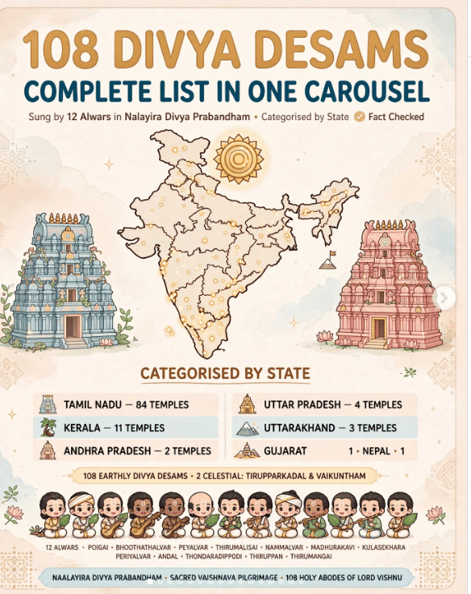
Ahobilam is one of the 108 Divya Desams dedicated to Lord Vishnu in Andhra Pradesh, the other being Tirumala. Like other Sampradayas, such as the 51 Shakti Peethas and the 12 Jyotirlingas, these places, rooted in pilgrimage, attest to the everlasting spiritual, cultural, and civilizational unity of India. This unity represents a different paradigm of nationhood compared to the West, which was a very late outcome of the religious wars fought in Europe ending in the Treaty of Westphalia. A Western understanding of Indian nationhood constructs only a splintered nation, and that is a gross injustice. The nationhood that evolved in the West led only to further brutalities spilling over the whole world in the form of nationalism, colonization, and the world wars. Nothing of that sort ever happened in India due to our spiritual and cultural values, which fostered unity across the subcontinent from Nepal to Sri Lanka and from Afghanistan to Myanmar, despite differences in beliefs, languages, cuisines, deities, and ways of living.
The sacred place of Ahobilam, the nine temples dedicated to Lord Narasimha, the temple of Prahlada Varada Narasimha Swamy, the Ahobilam Math, the Sri Vaishnava sampradaya initiated by Sri Ramanujacharya, and Nrusimhawadi in recent times form an intricate, inseparable mix at Ahobilam. The Puranas tell us that Ahobilam is a sacred place since the first Yuga. Lord Vishnu enacted the entire Narasimha Avatar at this place at the request of his divine vehicle, Garuda. Lord Narasimha then takes nine forms. In the Krita Yuga, nine Rishis built nine temples for Lord Narasimha in his various forms. In the Dwapara Yuga, Lord Rama had visited this place while searching for Mother Sita. In the third Yuga, the Pandavas visit the place. Lord Venkateswara visits Ahobilam to seek Lord Narasimha’s blessings right before his wedding to Goddess Padmavathi.
Ramanujacharya and The Schools of Vedanta
Ramanujacharya (1077–1157) was one of the most important exponents of the Sri Vaishnavism tradition in Hinduism, showing Bhakti as an important path to Moksha. He was the chief proponent of the Vishishtadvaita school of Vedanta through his many books and commentaries. Vishishtadvaita (qualified non-dualism), Dvaita (theistic dualism) of Sri Madhvacharya, and Advaita (non-dualism) of Sri Adi Shankara are the three important Vedantic schools where Brahman as the supreme principle and attaining that state in moksha remain constant. The differing ideas pertain to the relationship between the individual Jiva and Brahman, as well as the state of the individual during moksha. In Vishishtadvaita, the individual self retains its distinct existence and agency in moksha, while uniting with Brahman through eternal devotional service.
The different schools of Vedanta had disagreements both among themselves and with other Astika and Nastika schools, such as Buddhism, Jainism, and Charvaka, and they engaged in intense debates. Characteristically, in Indian traditional culture, debating and proving one’s own point did not necessitate physical violence. As philosopher SN Balagangadhara points out, Sanatana Dharma, or Indian culture, is not composed of religions, exemplified by Islam, Christianity, and Judaism but is a vast conglomerate of many traditions. In such traditional cultures (“pagan” cultures according to Western ideas), there is an “indifference to differences”. When traditions come close, there may be debates, syncretism, and symbiosis, but violent conversions, blasphemy, and proselytisation are practically unknown. Summarily, traditions say, “I am right, but you are not wrong,” while religions say, “I am right and you are wrong”. Similarly, religions say, “my God is true and your many gods are false,” while traditions say all paths (with or without God) lead to the same destination.
The Sri Ahobila Matha
The Matha was established in 1398 CE by Adivan Sathgopa Jeeyar, who is considered to be the direct preceptor of the 74 simhasanadhipatis originally instituted by Sri Ramanuja. The deity worshipped at the matha is Malola Lakshmi Narasimha. The head of the matha is the lineage of Jeeyars, the present one being the 46th. The Ahobila Matha, since its inception, has involved itself in many social, educational, and charitable activities. The Matha manages numerous temples across South India and has established Sanskrit colleges, schools, Veda Patashalas, and a college for arts and sciences. Apart from these, it undertakes many charity initiatives, including annadanam.
The Ahobila Matha is “Matha on wheels” because it does not have any headquarters and moves with the Jeeyar. The Matha has several major and minor branches spread all over India. There are nine Narasimha deities in Ahobilam, and one of them, Lord Malolan, stays with the Jeeyar, who travels the length and breadth of the country so that people can pray to him and have a darshan. The Matha has a practice of doing sanchara (travels) regularly to spread the Sri Vaishnava tradition instead of staying at a single place.
The Matha became influential in the Vijayanagara empire. When the Deccan sultans defeated Vijayanagara, the Matha’s pontiffs moved their primary place to Tirumala, Tiruvallur and then Kanchi. The Golconda Sultanate occupied the Ahobilam region for approximately five to six years, beginning around 1579 CE, during the reign of Ibrahim Qutb Shah (1550–1580) after the Battle of Talikota (1565). The region was subsequently recovered by a subordinate of the Vijayanagara ruler.
When Kanchi too fell in the 1600s to Muslims (during the 15th Jeeyar of Ahobila Matha), the Matha evacuated Kanchi and then moved near Kumbakonam, receiving the patronage of Thanjavur Marathas like Serfoji Bhonsle in the early 1800s. This migration led to numerous interactions with disciples from the North and the establishment of Uttara Ahobila Mathas in various locations, including Baroda, Ujjain, Puri, and Mathura.
The Periodization of The Temples
Ahobilam is a complex place to understand. There are many layered narratives where Puranic legends, Vedic traditions, tribal narratives, historical kings, grand architecture, sacred geography, and pilgrimage traditions converge as an eclectic whole. The architectural and historical development of the various temples at Ahobilam spans over a millennium, evolving from natural cave shrines at Upper Ahobilam in the 7th and 8th centuries into a major complex through distinct dynasties. From the 7th to 12th centuries, Western Chalukyanans have been noted to offer their prayers, as early as the 8th century. Tamil Alwar Vaishnava texts celebrated this site as Singavel Kunram and solidified the place as one of the 108 Divya Desams.
During the 13th and 14th centuries CE, the Kakatiya dynasty based at Warangal started the architectural traditions and was involved in preparing murtis for the temples here. The golden age of flourishing was the Vijayanagara era in the 15th to 16th centuries CE, when most of the architectural wonders seen today were built or heavily renovated. The Prahlada Varada Swamy temple at Lower Ahobilam, the first of the temples that one comes across when entering Ahobilam, was built in the 15th and 16th centuries under the initiation of Narasimha Deva Raya. The greatest king, Krishnadeva Raya, visited this place in the 16th century, gifting many jewels and offering patronage for its ornate Kalyana Mandapams (marriage halls) and towering gopurams.
In the 15th century, Sri Adivan Sadagopan, the first Jeeyar, founded the Sri Ahobila Mutt, institutionalising Agama rituals across the nine shrines. Around 1578, following the decline of the Vijayanagara Empire, Mughal and Qutb Shahi incursions sacked many of the temple complexes. The complexes were later regained after a period of five to six years. Following this period, regional chieftains and tribal leaders carried out the periodic repairs and maintenance of the temples. The Sri Ahobila Mutt continues to administer daily worship and festival traditions at both Upper and Lower Ahobilam.
Sri Laxmi Narasimha Swamy Temple or Prahlada Varada Narasimha Temple
This large temple is not a part of the Nava (nine) Narasimha conglomerate. The Sri Lakshmi Narasimha Swamy Temple is the first complex when one enters Ahobilam. Interestingly, the Kakatiya king Prataparudra (1289–1323 CE), traditionally a Saivite, helped in the construction of the Narasimha temple, as a 1320 CE inscription informs. The temple architecture dates to the Vijayanagara period. Krishnadevaraya, the greatest Vijayanagara king, had visited this place in 1515 CE.
The Sri Lakshmi Narasimha Swamy temple is also known as the Prahlada Varada Narsimha Swamy temple. Here Sri Narasimha Swamy is seen blessing the young Prahlada. According to the Sthala Purana, this murti of Narsimha Deva was installed by Lord Venkateswara himself. It is a beautiful temple with exquisite sculpture. The presiding deity is Prahlada Varadan, a peaceful and benevolent form of Sri Lakshmi Narasimha seated with Goddess Lakshmi on his lap. The Lord has four hands. The upper two hold the Shanka and Chakra; the lower right is in Abhaya hasta, while the left hand holds Sri Lakshmi. The Lord is depicted with Simha Torana. Bhakta Prahlada stands before Him in Namaskara Mudra.
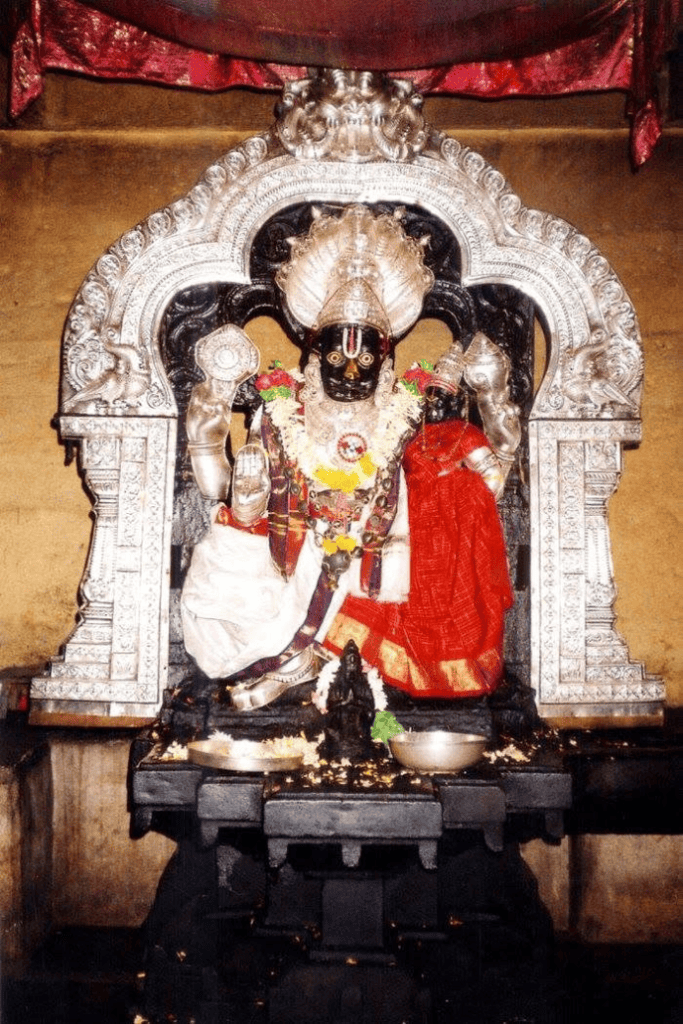
Figure 1: Sri Laxmi Narasimha with Goddess Laxmi and Bhakta Prahlada
This temple is a prime example of Vijayanagara and South Indian temple architecture, with contributions from the Kakatiyas, Chalukyas, and Reddy kings. There are three concentric prakaras enclosing the entire compound. There are many intricately carved pillared halls depicting the various manifestations of Lord Narasimha and the legends associated with the forms. There are many sub-shrines dedicated to Lakshmidevi, Godha Devi, Sri Venkateswara, Andal, and the renowned Azhwar saints. A prominent Jaya Sthambham with an epigraph dated to 1584 CE records the recapture of Ahobilam from the Golconda Sultanate forces. It credits the military victory, temple repairs, and erection of the pillar to Vijayanagara emperor Sri Rangaraya (Aravidu dynasty), local chief Kondraju Venkatraju Tirumalaraju, and the seventh pontiff of the Ahobila Matha.
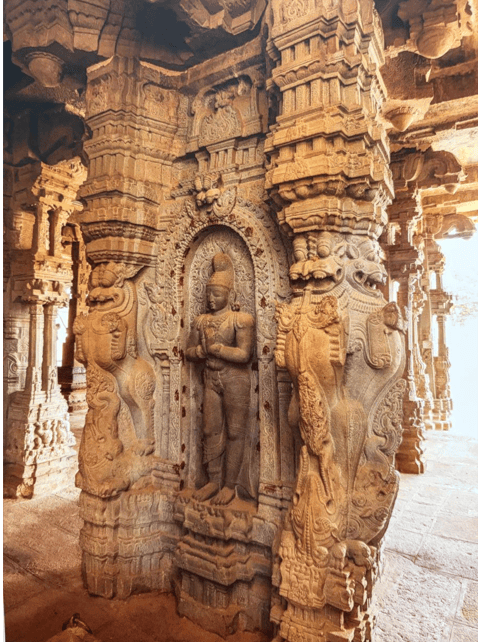
Figure 2
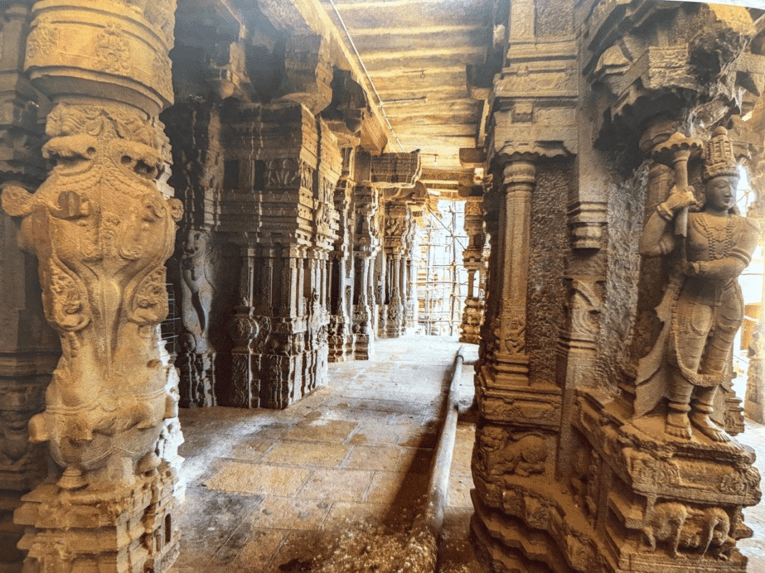
Figure 3
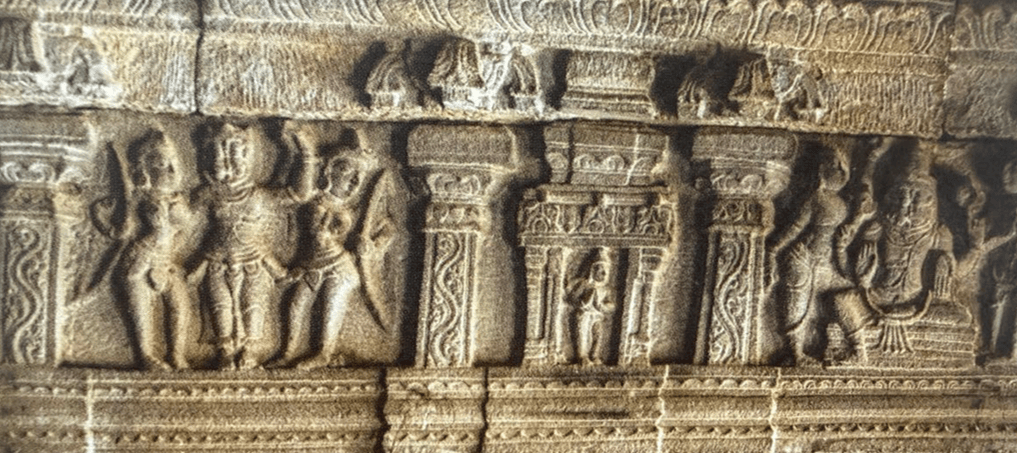
Figure 4
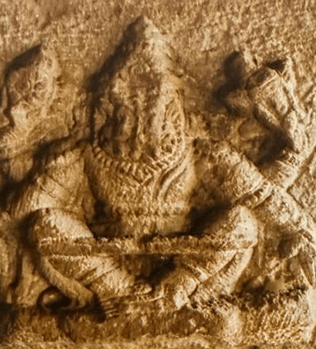
Figure 5
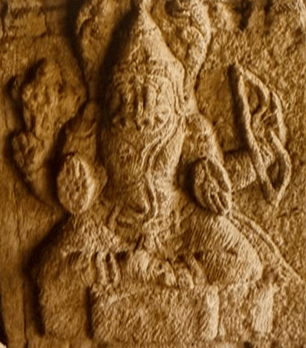
Figure 6
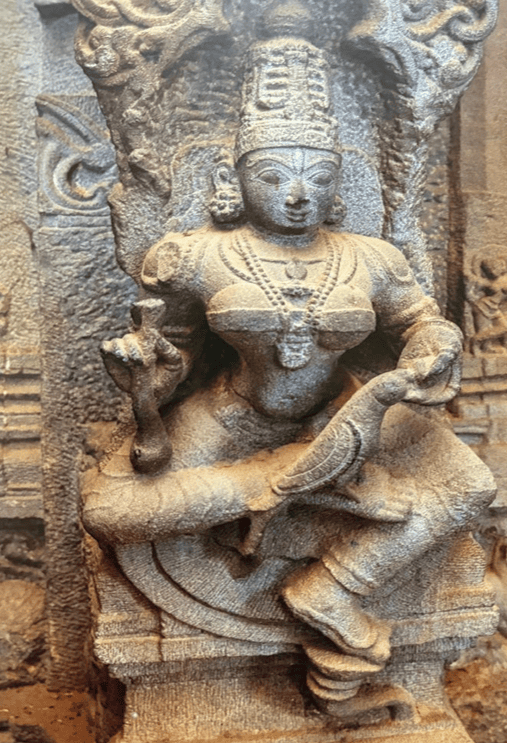
Figure 7. Meenakshi Devi
Figures 2,3,4,5,6,7 have been sourced from Gowda, Gomathi. Ahobilam: The Sacred Abode of the Nava Narasimha, 2021.
The Nava Narasimha Kshetra: Lower and Upper Ahobilam
ज्वाला अहोबिल मालोल क्रोड कारञ्ज भार्गव ।
योगानन्द छत्रवट पावन नवमूर्तयः ॥
Jvālā Ahobila Mālola Kroḍa Kārañja Bhārgava
Yogānanda Chatravaṭa Pāvana Navamūrtayaḥ.
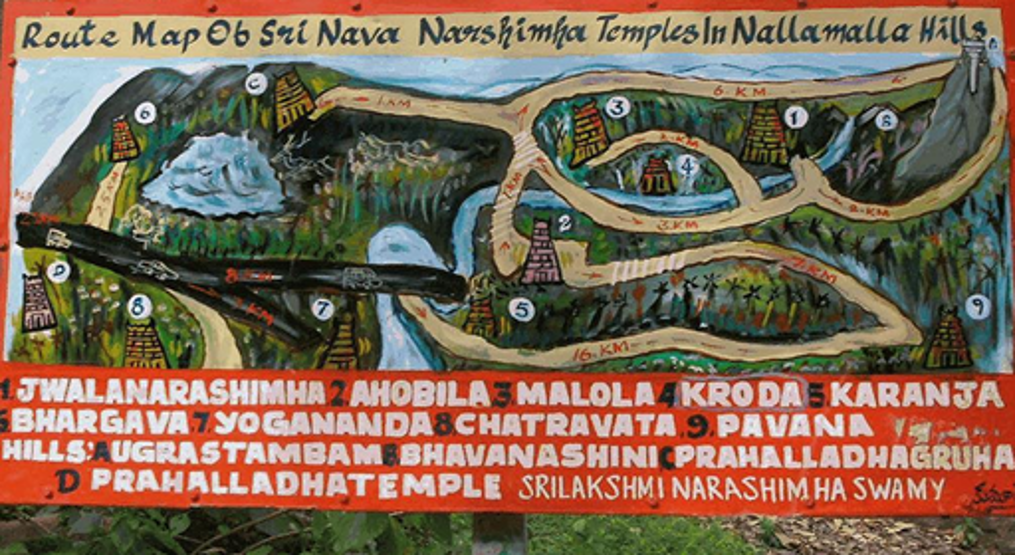
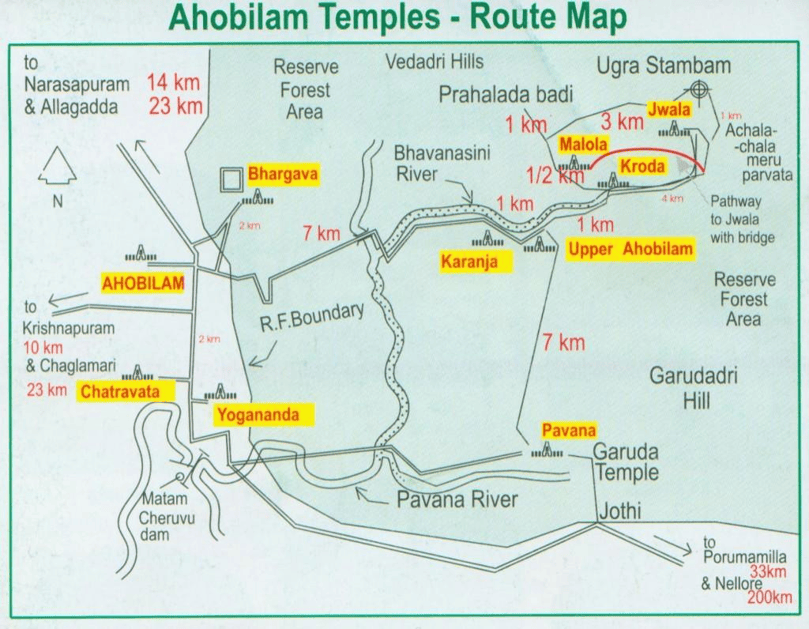
Figure 8.
Source: Andhra Pradesh Tourism, Ahobilam Ropeway Proposal, p. 13.
There are two regions in Ahobilam: The Eguva (upper) and the Diguva (lower). Traditionally, in this Nava Narasimhakshetra, five temples are located in the Upper Ahobilam, while four are in the Lower Ahobilam. These nine temples are associated with the nine planets, which are central to the Vedanga known as Jyotisha.
Jwala Narasimha
This manifestation is the first fiery form that kills Hiranyakasipu, and Lord Narasimha is still seething in anger. The eight-armed Narasimha has Hiranyakasipu on his lap, with two hands holding the Asura’s intestines and two pinning him down. Two hands are tearing the abdomen of Hiranyakasipu. The upper two hands hold the Chakra and Sankha. Prahlada is seen on the left-hand side of the Lord in Anjali Mudra. The Asura’s head is on the folded left thigh of the Lord. A nearby rock called Ugra Stambha (“wrathful pillar”) is the actual pillar in local legends from which the Lord comes out in his fierce form. A nearby pond having reddish water (Raktha Gundam) is believed to be the place where the Lord washes his hands after killing the demon. It is a difficult trek to reach here.
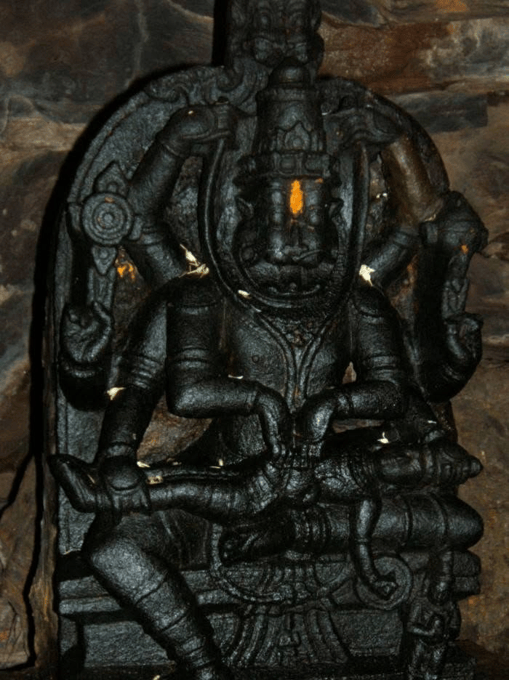
Figure 9. The fierce Lord Narasimha with eight hands killing the Asura.
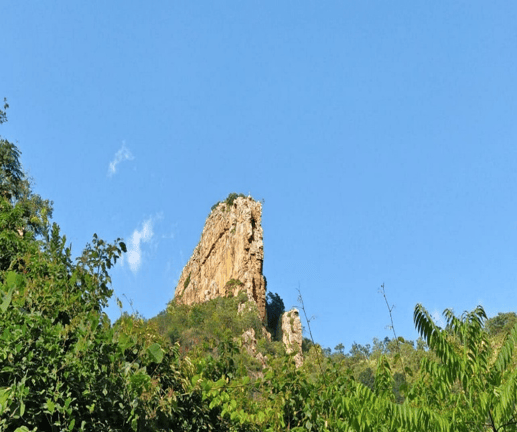
Figure 10. Ugra Sthamba
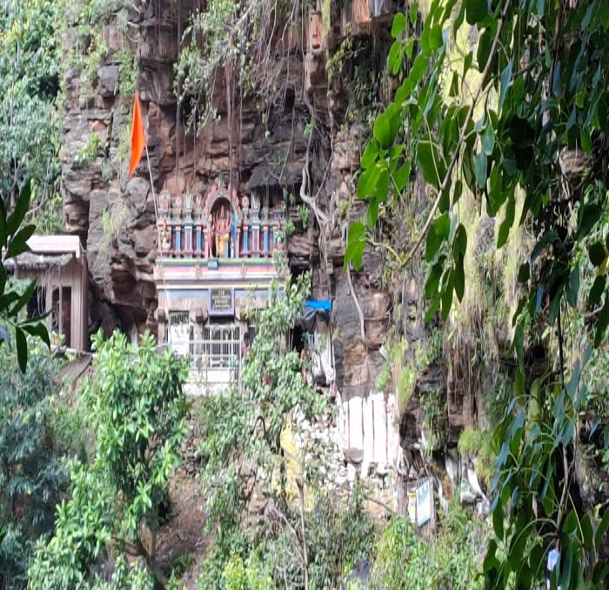
Figure 11. The Temple
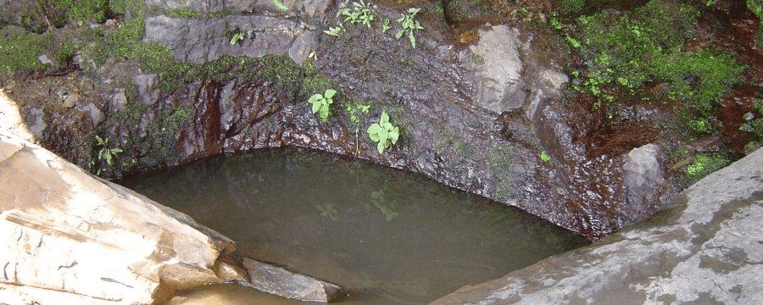
Figure 12. Raktha Gundam
Ahobila Narasimha
This deity resides in a large temple at Upper Ahobilam and also has a wrathful aspect (Ugra). He is shown holding the Asura with his two hands. The head of Hiranyakasipu is on the right thigh of this deity, in contrast to the previous form, where the demon’s head is on the left thigh. Sthalapurana states that Lord Narasimha appeared here in response to a penance of Lord Vishnu’s divine vehicle, Garuda. Another version states that the Lord stayed here on Prahlada’s request. Bhakta Prahlada, with folded hands, is seen on the right side of the Lord.
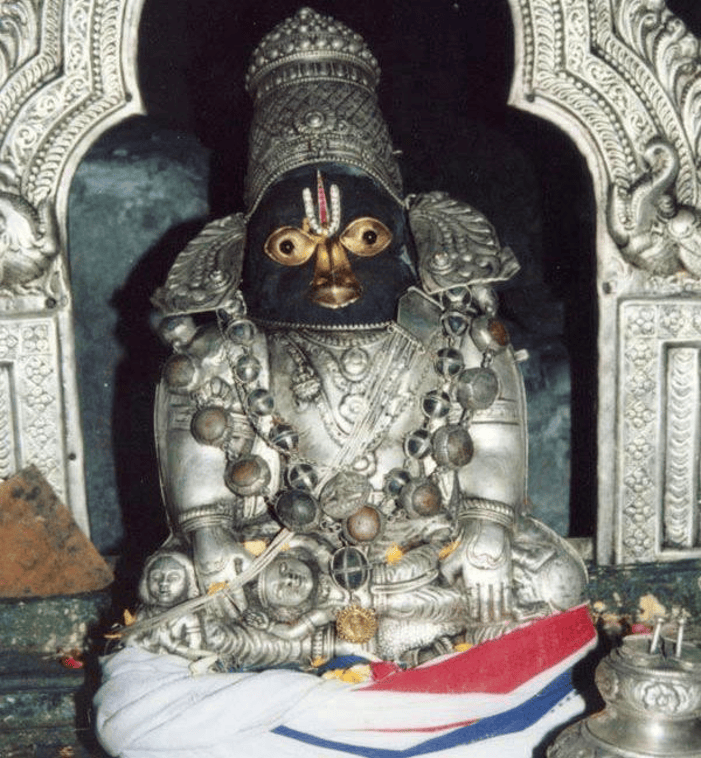
Figure 13. The Lord with the Asura on his lap.
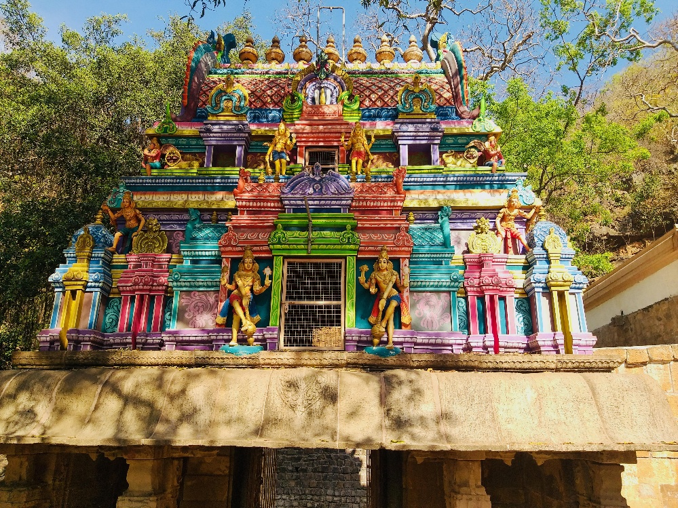
Figure 14. Ahobila Narasimha Temple at Upper Ahobilam
Lakshmi Narasimha or Malola Narasimha
The Lakshmi Narasimha, or the Malola Narasimha, has Sri Lakshmi seated with the Lord. The gods send Sri Lakshmi to calm the anger of Lord Narasimha, and this temple is the place where they settled. Lakshmi is seated on the left thigh of the Lord. The feet of the goddess rest on a lotus. The Lord is shown to have four hands. The upper two hands hold the Chakra and Sankha; the right lower hand is in the Abhaya hasta position, while the lower left hand gently holds his consort. The Lord has sandals that depict his travelling propensity across the country. This vigraha, or murti, of the Lord stays with the Ahobila Math Jeeyar and travels with him. The murti returns to His abode only on certain festival days.
Two intriguing stories are associated with the murti of Lord Malolan. The Sthala Purana states how King Prataparudra of the Kakatiya dynasty (based in Warangal and traditional Saivites) attempted to cast a golden murti of Lord Shiva after a military victory. The resulting statue from the gold poured to make the idol repeatedly took the form of Lakshmi Narasimha. The Lord appeared in the dream of the king to donate the murti to the Ahobilam temple, which he promptly did. The story holds deep significance, as saints throughout the centuries have insisted, despite socio-political misrepresentations, that Vishnu and Shiva are the same.
The second is the Ahobila Matha tradition that says, in the late 14th century, Lord Narasimha appeared in the guise of an ascetic to initiate Srinivasacharya into monasticism as Sri Adivan Satakopa Jeeyar. When the first Jeeyar prayed for a deity to worship on his journeys, the golden idol of Malolan flew out of the sanctum directly into his palms. Witnessing this event, the local ruler Mukundaraya entrusted trusteeship of the Ahobilam temples to the Matha.
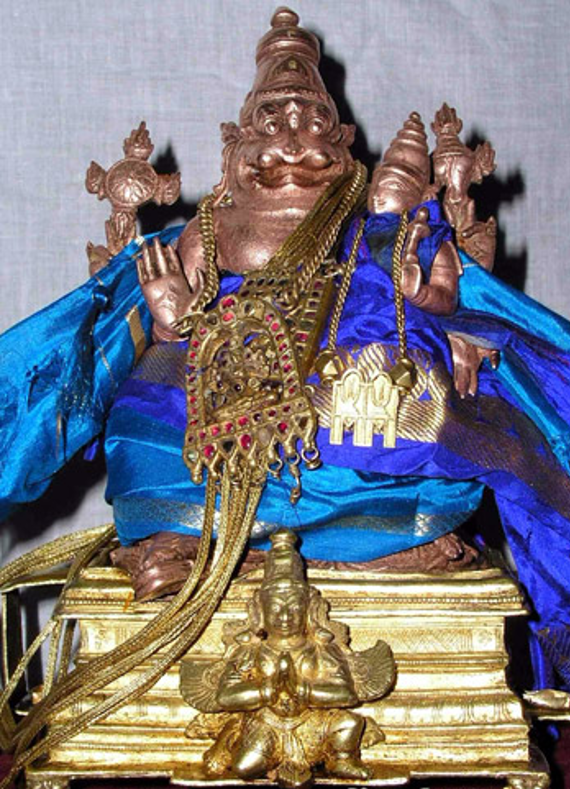
Figure 15. Lord Malola Narasimha (Ma- Lakshmi; Lola-Beloved)
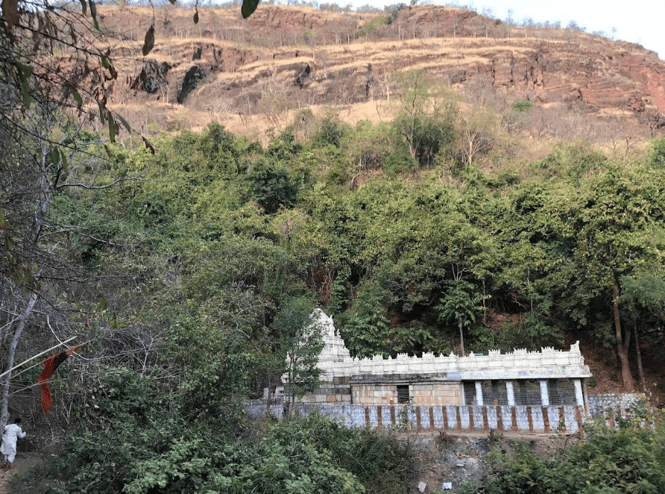
Figure 16. Malola Narasimha Temple
Varaha Narasimha or Kroda Narasimha Temple
Hiranyaksha, brother of Hiranyakasipu, hides Mother Earth (Bhudevi) in Patala. Lord Narasimha took this ferocious boar form for lifting the Earth from the cosmic ocean. When Bhakta Prahlada desired to see the Lord’s earlier Varaha incarnation, the Sthala Purana indicates that the temple is located at the site of this event. Lord Narasimha is depicted with the face of a boar (Varaha or Kroda), a human body, and a lion’s tail, with Goddess Bhudevi embracing the snout portion of the Lord.
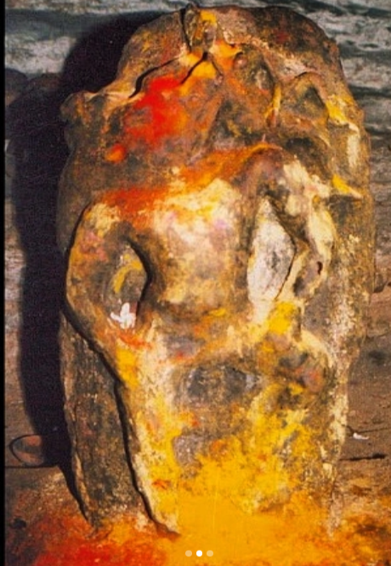
Figure 17. Kroda Narasimha
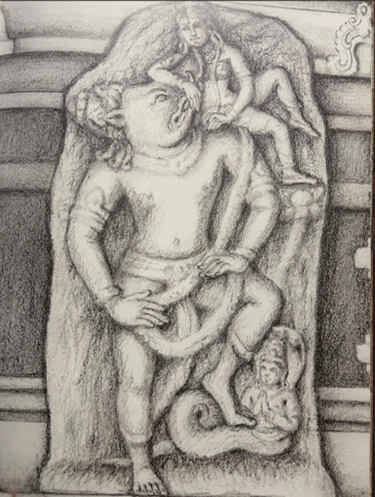
Figure 18. Sketch showing details of iconography.
Source: Ahobilam: The Sacred Abode of the Nava Narasimha by Gomathi Gowda
Karanja Narasimha
Karanja Narasimha sat under a Karanja tree (Pongamia glabra) and blessed Sri Hanuman, who had approached Ahobilam. Since Sri Hanuman was Lord Rama’s devotee, Narasimha takes a bow, an emblem of Sri Rama, in one of his four hands. There is a small shrine of Sri Hanuman on the temple grounds. The deity is depicted in a meditative posture, featuring four hands and a hooded cobra above its head. The upper right hand holds the Chakra, the upper left holds the bow, and the lower two are in a Dhyana mudra. There is another narrative that associates this shrine with Sage Gobhila, who received divine knowledge from Lord Narasimha. Devotees thus worship here for knowledge and wisdom.
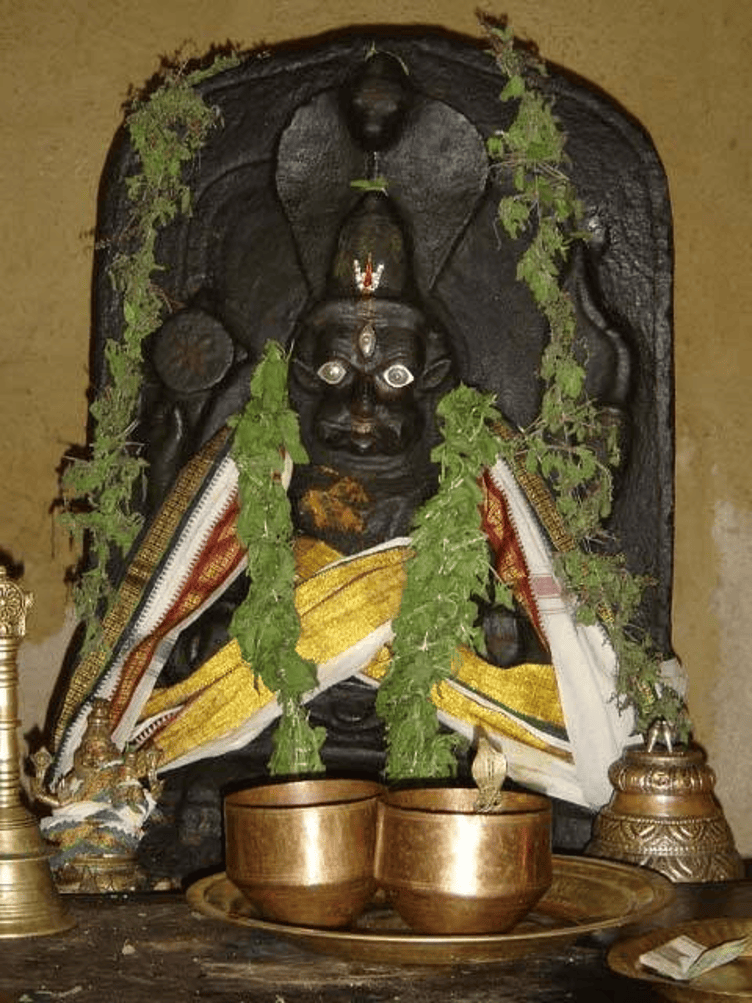
Figure 19. Note the Bow in the left upper hand and the hooded cobra at the top.
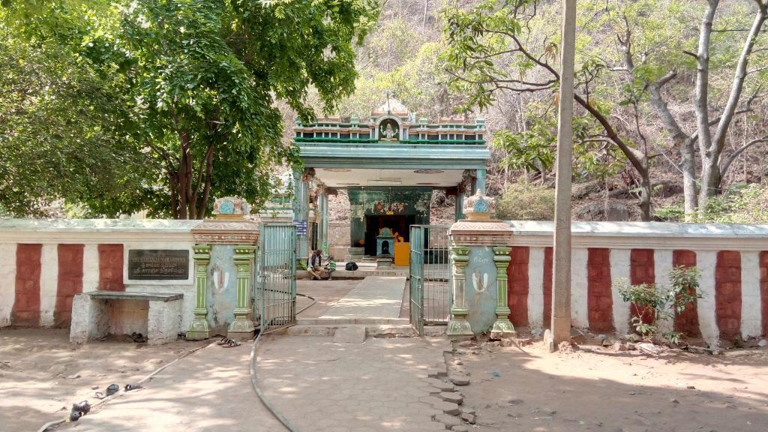
Figure 20. Karanja Narasimha Temple
Bhargava Narasimha
The Sthalapurana says that Parashurama or Bhargav Rama worshipped Lord Narasimha here. The deity has four hands; the lower two are shown tearing up Hiranyakasipu, while the upper two are depicted with Shanka and Chakra. This deity has a fiery (ugra) form, killing the Asura on his thigh. The latter is shown to have a sword in his hands, while Bhakta Prahlada is seen with folded hands in a standing position. The murti shows a Torana around that depicts the ten incarnations of Lord Vishnu. A never-drying well nearby is called Akshaya Tirtham. Vyasa Bhagwan called this “Akshaya Rakshakam Bhuvanascha”, the water that would satisfy the needs of the Universe.
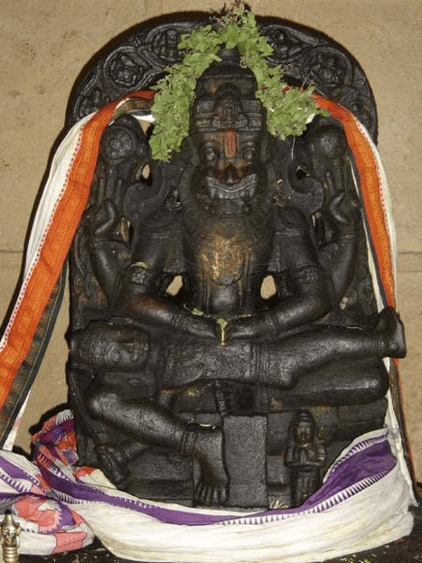
Figure 21. Note the Sword in the hands of Hiranyakasipu and the Torana showing the Dashavatara
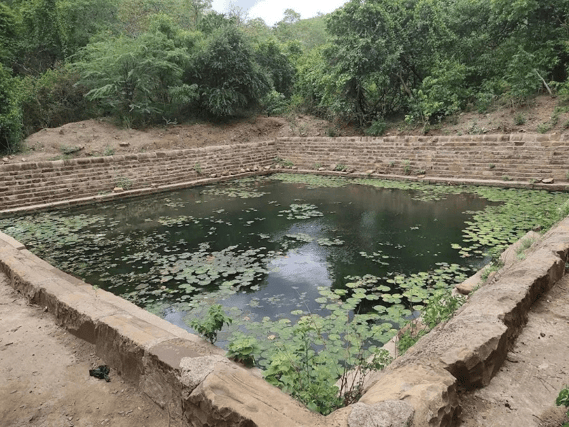
Figure 22. Akshaya Tirtham
Yogananda Narasimha
This manifestation, Yogananda Narasimha, taught yoga and gave knowledge to Bhakta Prahlada after the death of his father. The Lord is seated in a yogic posture with crossed legs and tied with a Yogapatta. The Lord has four hands. The upper two hold the Shanka and the Chakra, while the lower two rest on the knees. The murti represents peace, wisdom, and spiritual calm after the rage of the Lord has subsided.
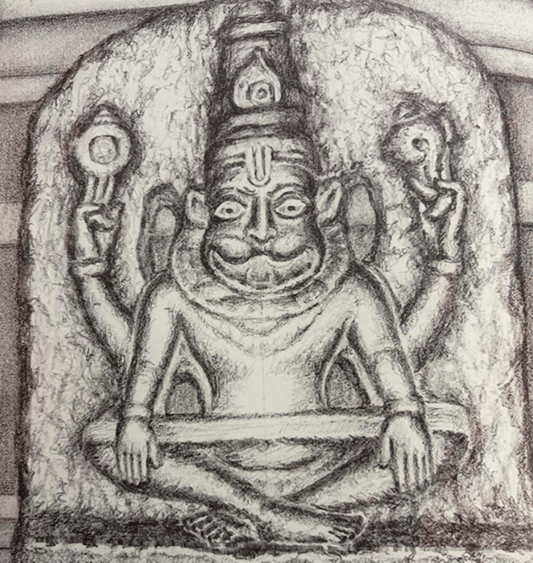
Figure 23. Sketch showing details of iconography.
Source: Ahobilam: The Sacred Abode of the Nava Narasimha by Gomathi Gowda
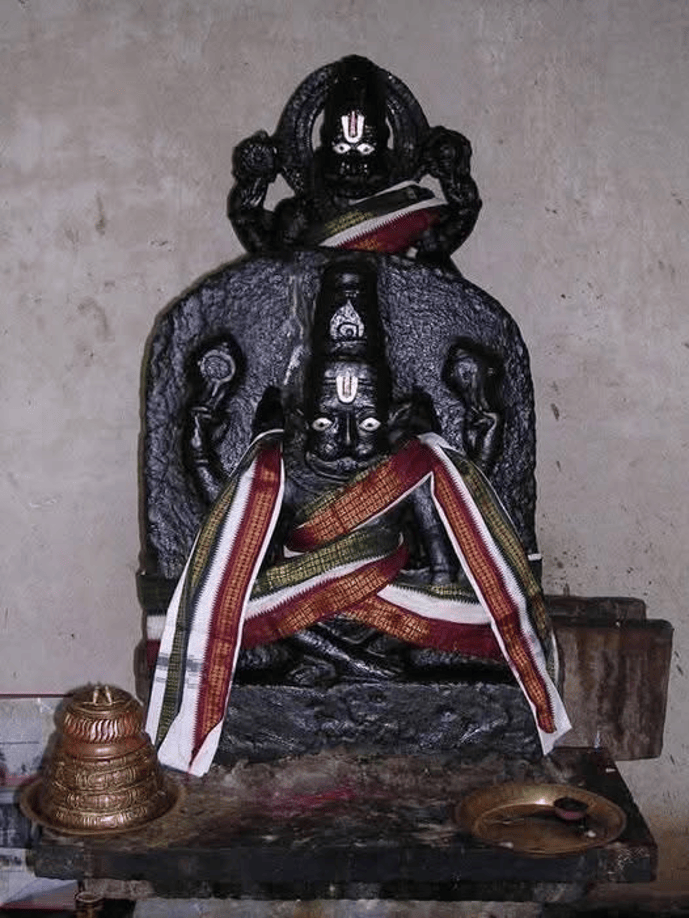
Figure 24. Yogananda Narasimha in a peaceful form
Chatravata Narasimha
This deity sits under a peepal tree called Chatravata. The deity was entertained by the singing Gandharvas, and hence the main murti is smiling with contentment. The deity has a square Garbhagriha and is carved in black basalt stone, seated in a Padmasana yogic posture. The two upper hands hold the Shankha and Chakra, while the right lower hand is in Abhaya Hasta. The left lower hand is in the katihasta placed on the waist and left thigh. A Kiritamakuta adorns the head.
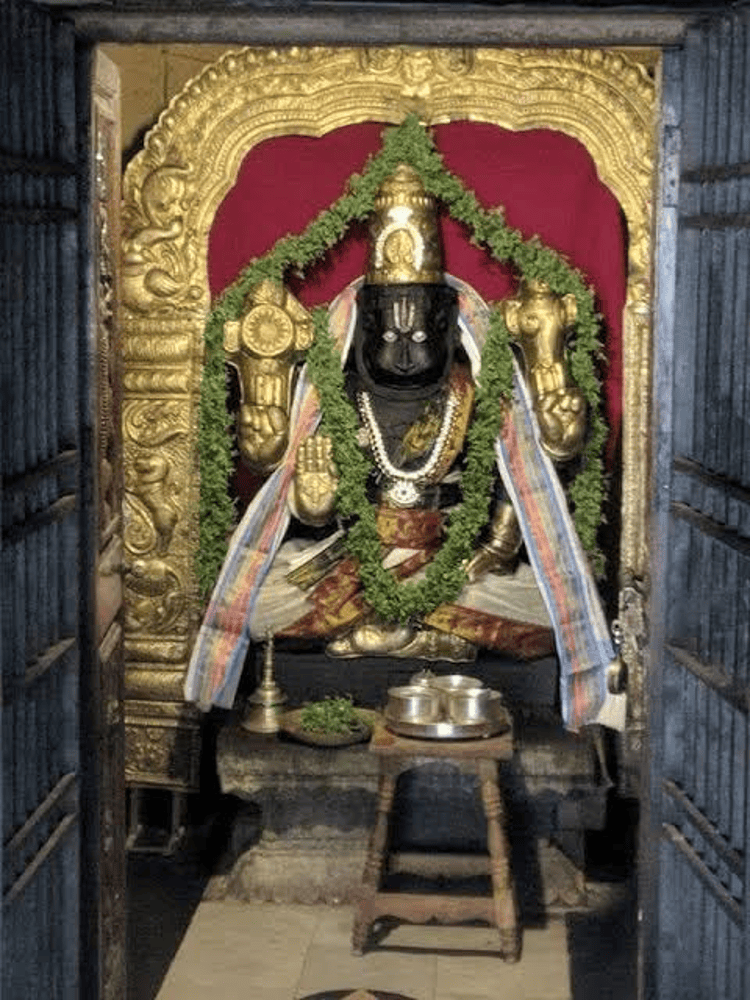
Figure 25. Smiling Narasimha
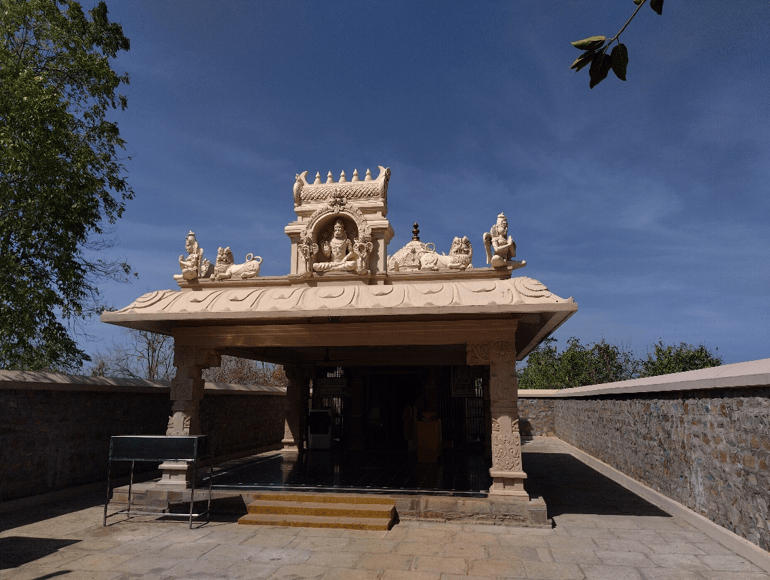
Figure 26. Source: Veera Narayana, CC BY 4.0, via Wikimedia Commons
Pavana Narasimha
There is a vast amount of literature from the Vishishta Advaita perspective that discusses the Vedas, Upanishads, and various darsanas, authored by the Jeeyars of the Matha. The literature also includes poetry and drama. The 7th Jeeyar (16th century CE) was the author of Vasantika-parinaya, a drama describing the divine wedding of the deity of Ahobilam with Chenchu Lakshmi. This drama is deeply associated with the history and religious traditions of Ahobilam. It narrates the story of the marriage of Lord Ahobilesvara (Narasimha) with Vasantika, the daughter of a Chenchu tribal chieftain and identified as Chenchu Lakshmi, the local manifestation of Goddess Lakshmi. There are other versions of this story. However, the narrative is important, as it brings together the Sri Vaishnava traditions and the indigenous Chenchu community of Nallamalla.
This temple is located in a protected forest, close to the hamlets of the Chenchu community, about 8 km from the Ahobilam village. The Chenchu communities play an important role in many of the festivities surrounding the Lord in various manifestations at both Upper and Lower Ahobilam. This deity is the only one to whom animal sacrifices are offered during religious festivals. The Chenchus believes that Lord Narasimha met and married a Chenchu huntress in this area. The main murti has Sri Lakshmi, but Chechulakshmi resides in a tiny cave slightly higher on the hilltop and away from the main shrine. Pavana means “pure,” and this temple has immense purifying power according to tradition. Ewa Dębicka-Borek writes that in terms of temple ritual, contrary to other shrines in Ahobilam where priests follow the Pancharatra, those appointed in the Pavana belong to the Vaikhanasa tradition.
The Pancharatra and Vaikhanasa traditions are the two major systems governing Vishnu worship in the temple traditions. Both prescribe elaborate systems of temple construction, consecration, daily worship, festivals, and religious observances. They share the same central understanding of Lord Vishnu as the Supreme Being but differ in their scriptural foundations, theological formulations, ritual procedures, and traditions of priestly authority. The Pancharatra tradition provides a framework for understanding how the transcendent Narayana becomes accessible to devotees through the consecrated temple image. The priesthood is an initiatory tradition. The Vaikhanasa tradition traces its origins to the sage Vaikhanasa. It has a distinctive body of scriptures known as the Vaikhanasa Kalpasutras and Vaikhanasa Agamas. The priesthood here is a hereditary tradition.
The murti demonstrates the Lord in a calm seated posture with Goddess Lakshmi (revered locally as Chenchu Lakshmi) on his lap. The lord has a seven-headed Adisesha canopy over his head. Sage Bharadwaja is depicted at his feet. The Lord is also known as Pamuleti Narasimha Swamy or Obuleshudu. The local Chenchu tribal community considers the Lord as their divine son-in-law.
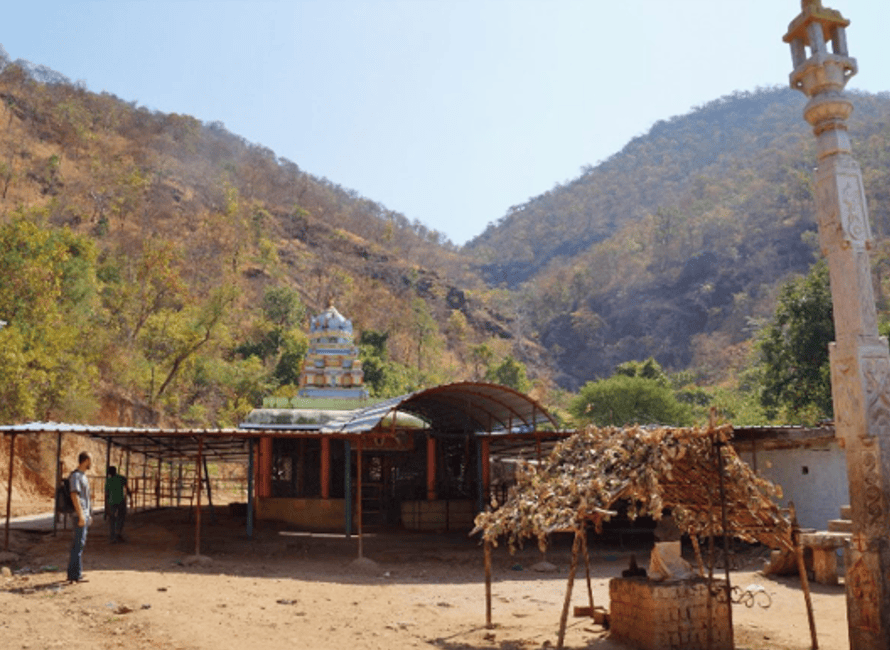
Figure 27. Dębicka-Borek, Ewa, 2015.
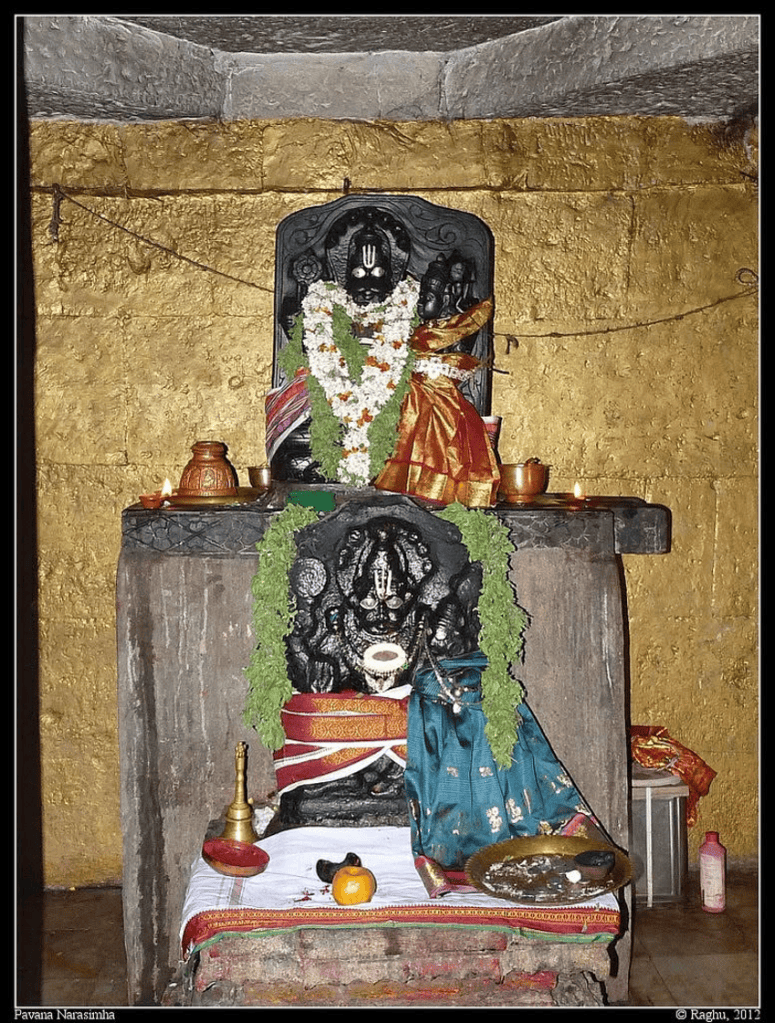
Figure 28. Pavana Narasimha
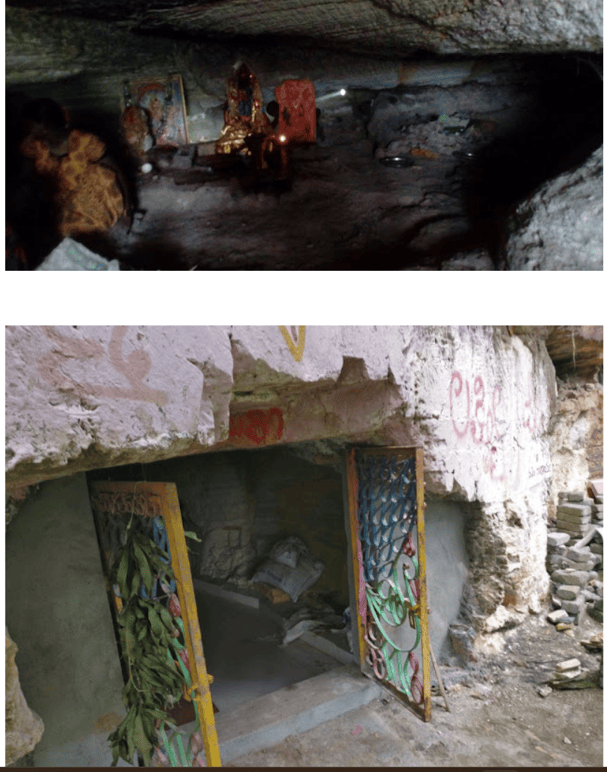
Figure 29. Chenchu Lakshmi Cave. Source: Ilamurugan. Hindu Temples of India
Nrusimhawadi: Where All the Worlds Meet
Apart from the nine Lord Narasimha temples at Upper and Lower Ahobilam and the tenth Prahlada Varada Narasimha Swami temple complex, there are a few other temples and shrines, but the largest is Nrusimhawadi, which has been fully established in recent times.
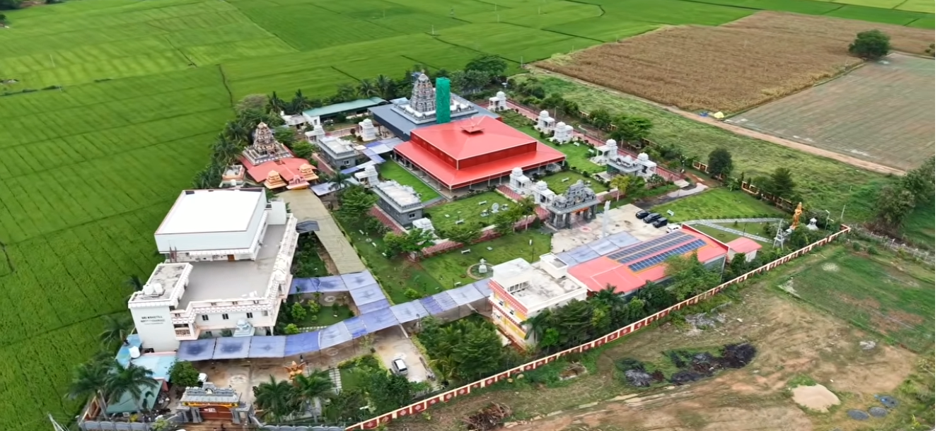
Figure 30. The Nrusimhawadi Complex
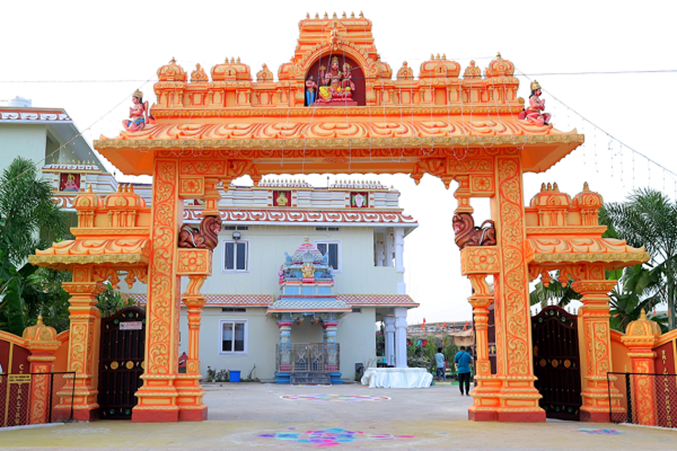
Figure 31. Entrance to the Complex
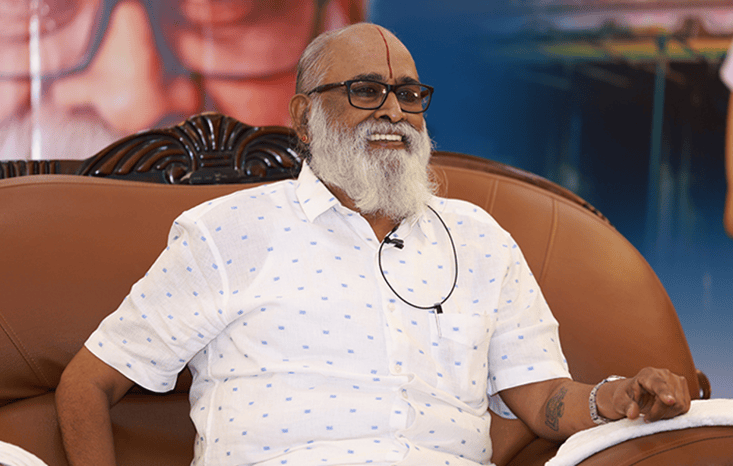
Figure 32. His Holiness Sri VV Sridhar Guruji
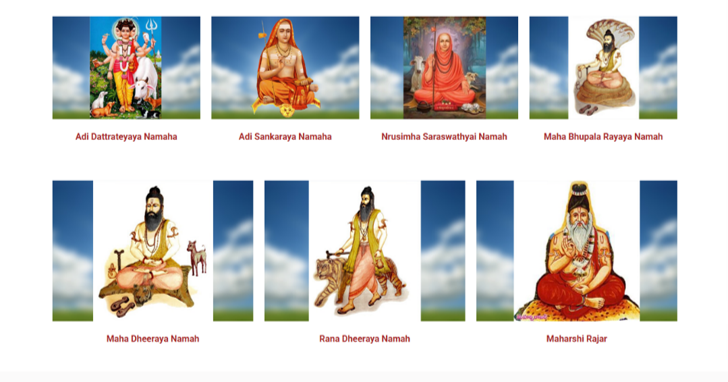
Figure 34. The Guru Parampara
The site is in Lower Ahobilam, accessible by a road behind the main Prahlada Varada temple at a distance of about 1 kilometer. This complex adds another dimension to the sacred site of Ahobilam, representing a centre of ritual practice for Lord Janardhana and the nine forms of Lord Narasimha, along with grand-scale Vedic sacrifices. An interesting aspect of this place is the collection of a huge number of Saligramas that are a focus of many rituals.
His Holiness Sri VV Sridhar Guruji is the driving force behind this sacred place, who traces the Guru-Shishya lineage to Sri Dattatreya and Sri Adi Shankara. The awe-inspiring complex of Sri Kshetra Nrusimhawadi has recently finished its construction under the auspices of Sri Jwala Prayoga Central Trust. The Trust carries its spiritual and charity work under the guidance of Sridhar Guruji, considered the only known living Dakshachara Prayogi in the world.
Nrusimha wadi, so named a few centuries earlier by Sage Yogeshwar Ramanachar, is a Prayoga bhoomi (land) where yagnas or sacrifices are performed on a regular basis for the welfare of all living and non-living beings. When not performing the elaborate Yajnas, Prayoga rituals of the most mysterious kind beyond the understanding of common humans, and singing spiritual Gadhyams in a forgotten Prakrit language, Sridhar Guruji delivers some easily assimilable talks related to both the spiritual and material world laced with wit and humour.
The presiding deity is Lord Janardhana, a form of Lord Vishnu, and one of his principal names in the Vishnu Sahasranama (the thousand names of Lord Vishnu). “Janardhana” literally means “one who destroys the cycle of birth and death” and is specifically the form that looks after the Pitru loka (the world of our ancestors). Sridhar Guruji says that ‘Sri Janardhana’ is the more prevalent name for Sri Maha Pitru Narayana, who heads all our families of Pitrus (ancestors).
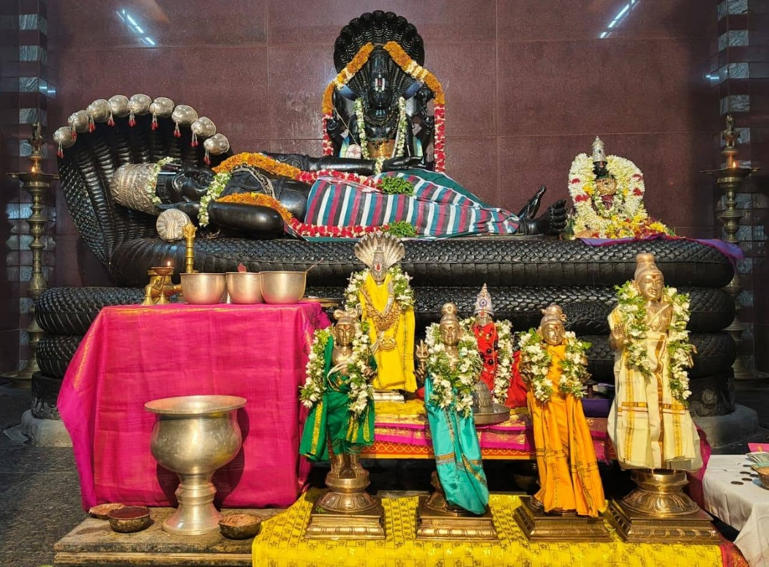
Figure 34. The presiding deity of Sri Janardhana Swamy
A unique aspect of this place is the tens and thousands of Saligramas, sacred stones from the river Gandaki in Nepal, representing our ancestors. They have a separate enclosure and also form a base for the presiding deity, Lord Janardhan Swamy, in a sleeping posture. The divine guardian of the place is Lord Hanuman. There is a large idol of Lord Hanuman and Lord Garuda that welcomes the devotees to the place. Lord Ganesha is right at the beginning of the complex after entry.
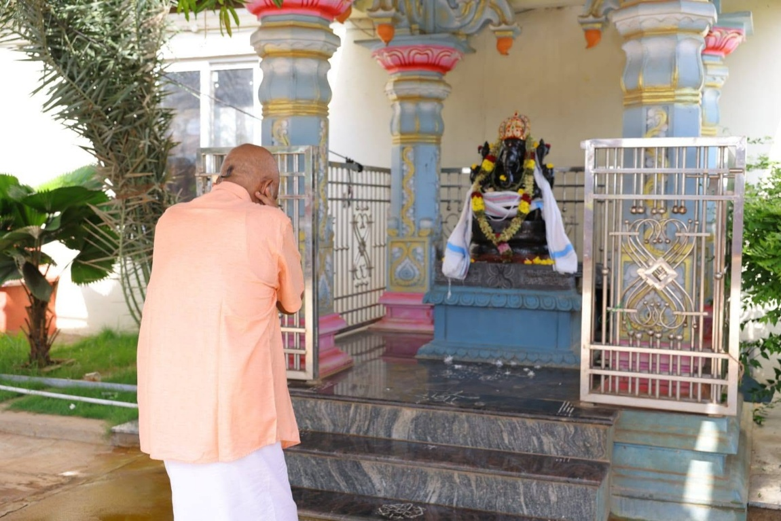
Figure 35. Guruji at the Ganesha temple at the entrance
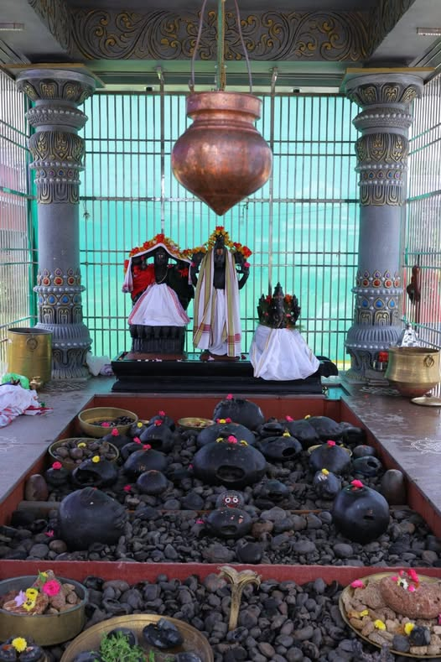
Figure 36. Saligrama Shrine
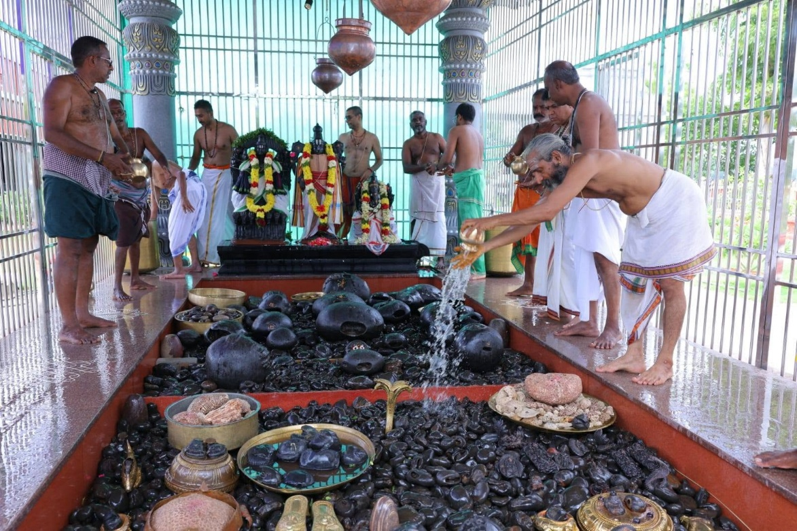
Figure 37. Pujas at the Saligrama Temple
Apart from these, there is a conglomerate of temples for each of the nine manifestations of Lord Narasimha set around the main sacrificial ground. There are also temples dedicated to Lord Hanuman, Bhu Varaha, and Lord Bhairava, or the time-controlling manifestation of Lord Shiva. The presiding deity’s temple is impressive, but equally awe-inspiring are the grand temples dedicated to Prayoga Narasimha and Yoga Lakshmi. The imposing deities overlook the Yagna shaala (sacrifice grounds), which has four entrances in all four directions. The main Yagna kundam (sacrificial altar) is a permanent structure at the centre of Prayoga Bhoomi. Lord Garuda, in the form of a human, protects this land. The main altar is in the form of a Sudarshana chakra.
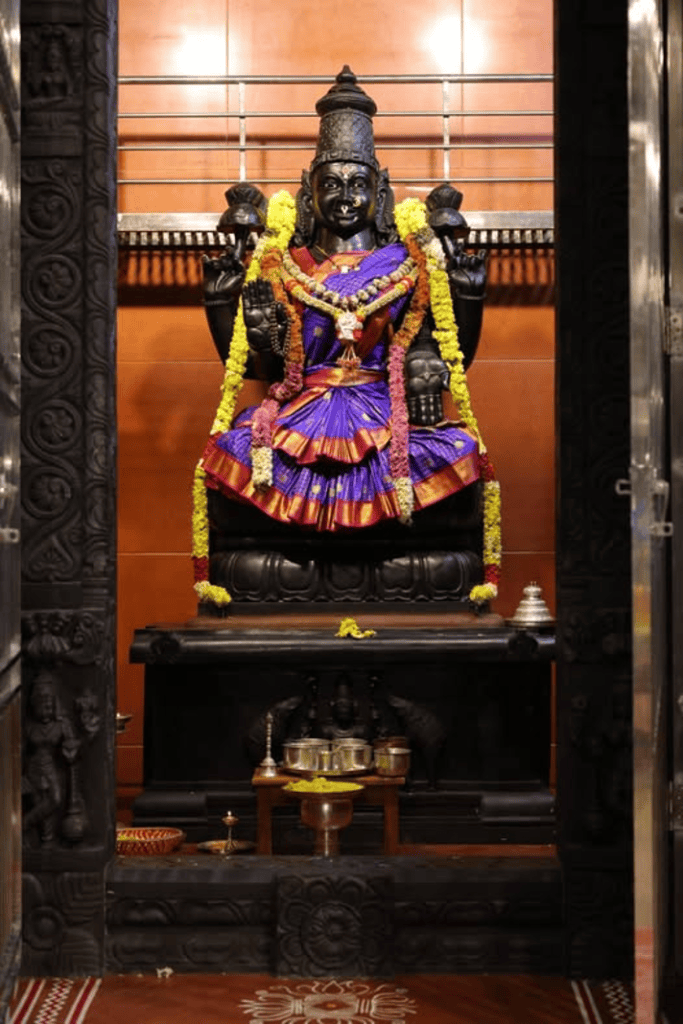
Figure 38. The Yoga Lakshmi Vigraha
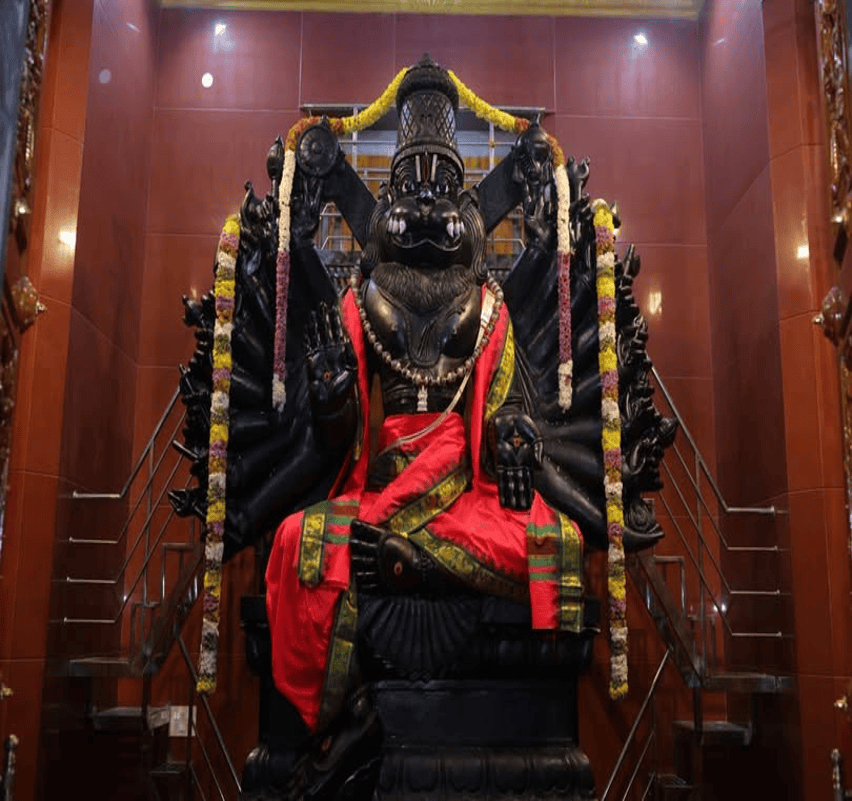
Figure 39. The Prayoga Narasimha deity
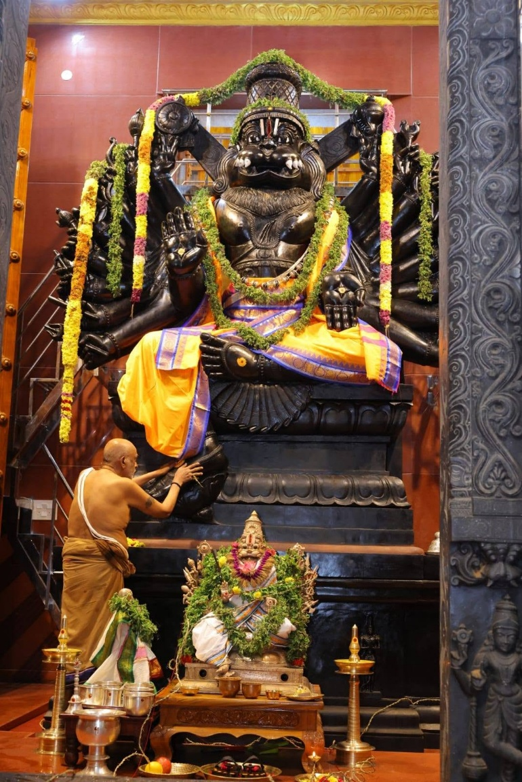
Figure 40. Guruji praying at the Prayoga Narasimha vigraha
Large-scale yajnas are performed during special occasions of the year that transport one back to the very roots of the Vedic civilization, which is 5000 years, at the very least. Witnessing those yajnas under the guidance of Sridhar Guruji, particularly during the temple consecration when dozens of Vedic Brahmins performed rituals on multiple fire altars, has been one of the most dazzling and transformative experiences for the author. The devas, devis, yakshas, yakshinis, and our ancestors surely descend during the yajnas.
There are three important methods of consecration of temples: Vaidika, Agama, and Prayoga. The first is based on Vedic hymns and mantras, the second on specific Agama traditions related to the deity, and the third on specific Prayoga rituals. All three have some overlapping features. This temple complex has been laid out by the Prayoga rituals. According to Sridhar Guruji, the sanctity of the temple established by Prayoga methods remains intact for 5000 years, which does not require repeated purifications.
There is a special room that is filled with the beautifully adorned Vigrahas of all deities, as if overlooking the Yajna bhoomi. The Jwala Trust, under the auspices of Guruji, is dedicated to the organization of Vedic practices, charitable service, collective prayer for the welfare of the world, and annadanam (food donation) at the adjoining aptly named “Annapoorna” complex, especially during the special occasions.
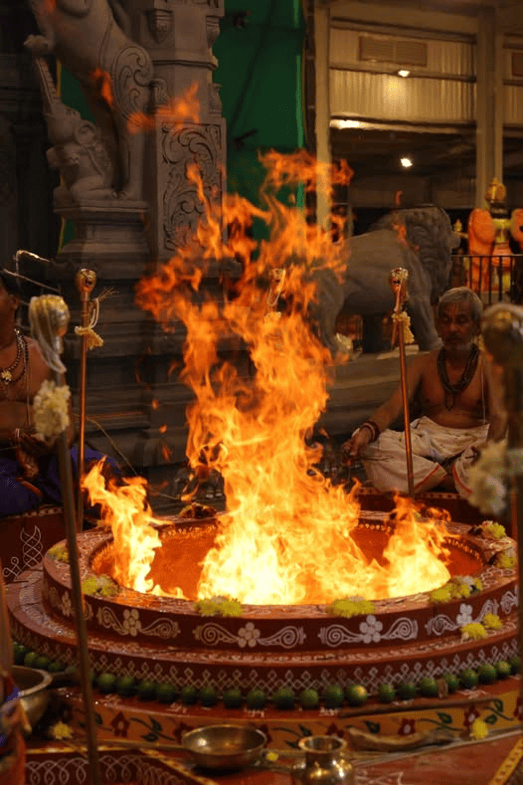
Figure 41.Fire sacrifices
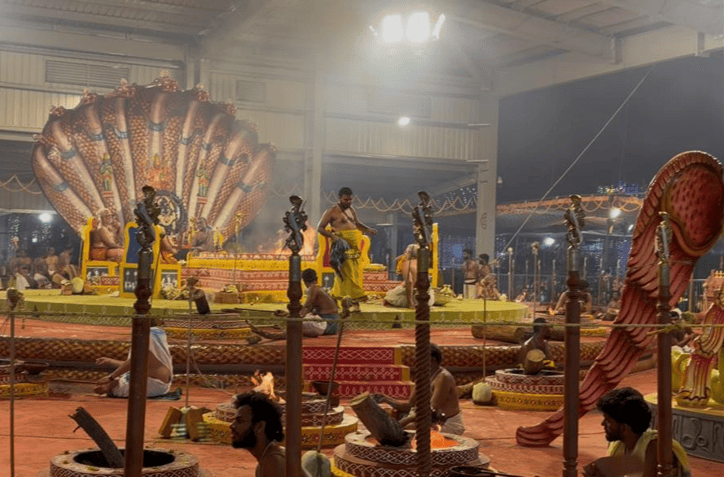
Figure 42. Vedic sacrifices at the consecration ceremony. Prayoga Bhoomi.
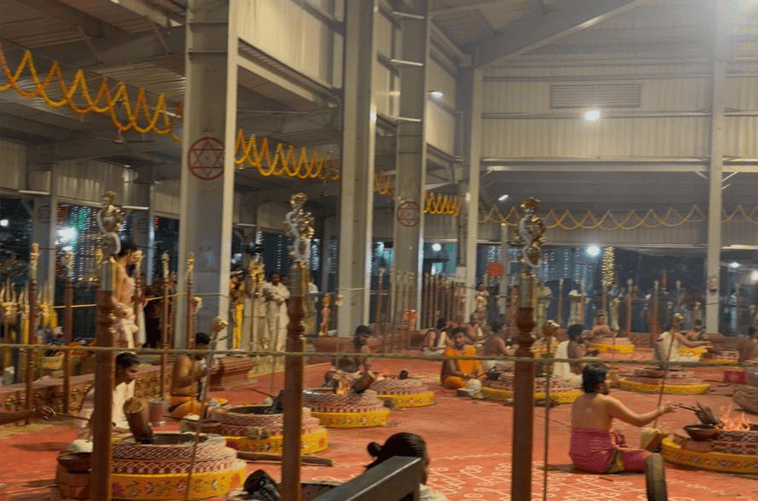
Figure 43. Prayoga Bhoomi
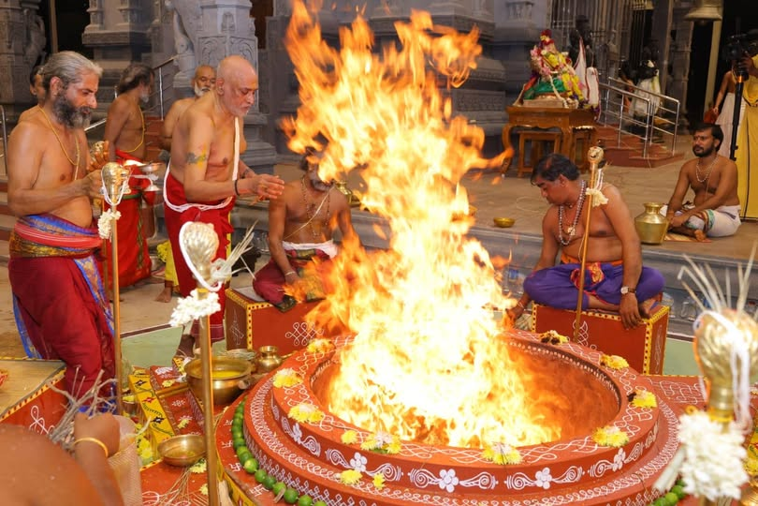
Figure 44. Guruji at a Vedic sacrifice
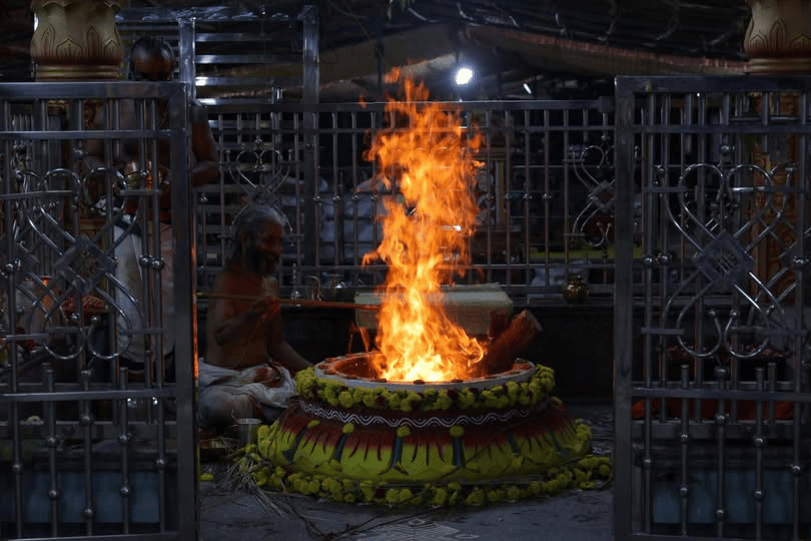
Figure 45. a rare ‘BHUGAMALA’ formation of agni signifying the presence of this akshara
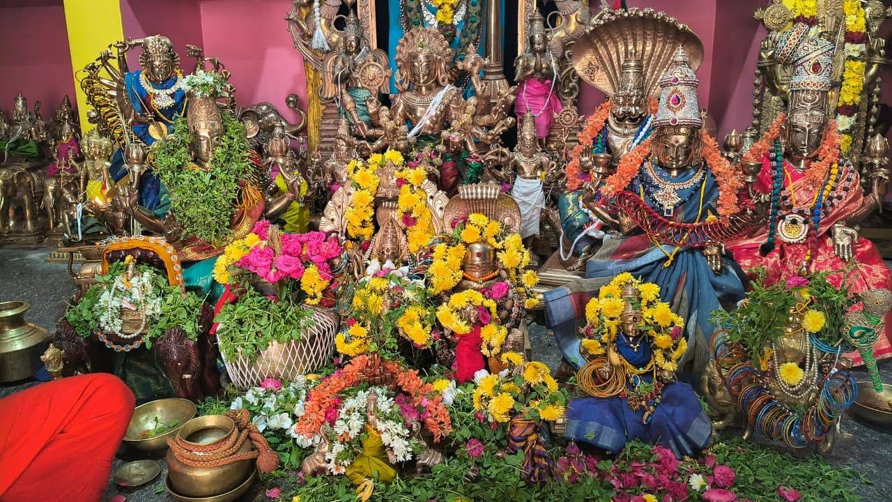
Figure 46. The most beautiful Vigraha Temple
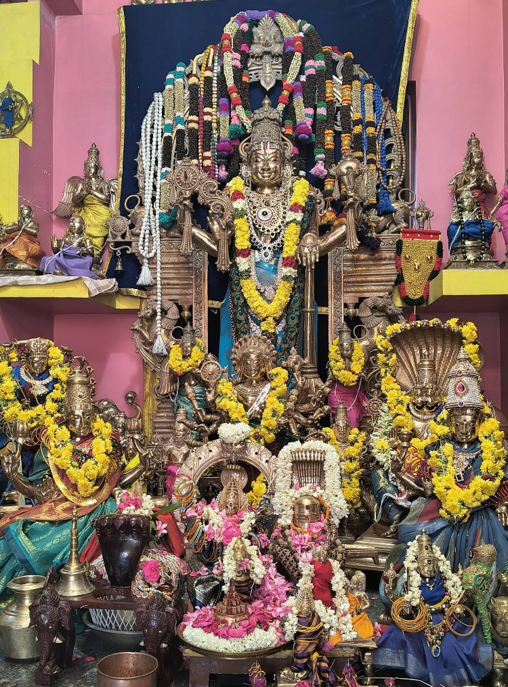
Figure 47. Another view of the Vigraha collection
Navagraha Correspondence of Nava Narasimhas
उग्रं वीरं महाविष्णुं
ज्वलन्तं सर्वतोमुखम् ।
नृसिंहं भीषणं भद्रं
मृत्युमृत्युं नमाम्यहम् ॥
Ugraṃ vīraṃ mahāviṣṇuṃ
Jvalantaṃ sarvatomukham
Nṛsiṃhaṃ bhīṣaṇaṃ bhadraṃ
Mṛtyumṛtyuṃ namāmyaham.
I bow (namāmyaham) to wrathful (Ugraṃ), heroic (vīraṃ), great Viṣṇu (mahāviṣṇuṃ), fiery (Jvalantaṃ), facing in all directions (sarvatomukham), the man-lion Nṛsiṃha (Nṛsiṃham), terrifying (bhīṣaṇaṃ) to evil, auspicious (bhadraṃ), and the Destroyer of Death itself (Mṛtyumṛtyuṃ).
This powerful Sri Narasimha Mahamantra is associated with the Nrsimha Purva Tapaniya Upanishad of the Atharvavedic tradition. It is also explicitly transmitted in the Narada Mahapurana, which discusses its ritual and spiritual significance. There is a tradition that associates the nine forms of Lord Narasimha with the nine temples at Ahobila Kshetra. This has been made explicitly clear at Nrusimhawadi.
The nine manifestations of Lord Narasimha are attached to the nine planets of the Indian Jyotisha systems. At Nrusimhawadi, the Nava Narasimha temples follow slightly different planetary associations from the temples at Upper and Lower Ahobilam. The temples at Nrusimhawadi are associated with the nine names of Lord Narasimha as recited in the Mahamantra. The planetary differences are due to the consecration methods and application of Jyotisha.
| NARASIMHA MANIFESTATION | AHOBILAM PLANETARY ASSOCIATION | NRUSIMHAWADI PLANETARY ASSOCIATION |
| AHOBILA (Upper Ahobilam ) | GURU (JUPITER) | Ugram (SURYA/SUN) |
| KRODA VARAHA (Upper Ahobilam) | RAHU (NORTH LUNAR MODE) | Veeram (CHANDRA/MOON) |
| MALOLA (Upper Ahobilam) | SHUKRA (VENUS) | Mahavishnum (SHUKRA/VENUS) |
| JWALA (Upper Ahobilam) | MANGALA (MARS) | Jwalantam (MANGALA or KUJA/MARS) |
| PAVANA (Lower Ahobilam) | BUDHA (MERCURY) | Sarvathomukham (KETU/SOUTH LUNAR MODE) |
| KARANJA (Upper Ahobilam) | CHANDRA (MOON) | Nrusimham (RAHU/ NORTH LUNAR MODE) |
| CHATRAVATA (Lower Ahobilam) | KETU (SOUTH LUNAR MODE) | Bheeshanam (BUDHA/ MERCURY) |
| YOGANANDA (Lower Ahobilam) | SHANI (SATURN) | Bhadram (GURU/JUPITER) |
| BHARGAVA (Lower Ahobilam) | SURYA (SUN) | Mrutyur (SHANI/SATURN) |
In Jyotisha, each planet is linked to positive benefits like Mars with energy; Jupiter with protection; Venus with prosperity; Rahu with determination; Chandra with calmness; Surya with leadership; Shani with discipline; Ketu with devotion; and Budha with auspiciousness.
Concluding Remarks
Ahobilam is an easily approachable place and well-connected to the main Bengaluru-Hyderabad highway. A thorough exploration of the entire area would require at least two days. Accommodations are plentiful at government and many private guest houses at reasonable rates. The ancients certainly have lessons in quality management for modern builders, especially in terms of infrastructure and building construction. The world outside the temples seems to be neglected by the government, but the infrastructure seems to be evolving, and that is a wonderful sign.
Ahobilam is a place that represents the pinnacle of our Vedic civilization where Vedas, Upavedas (architecture), Vedangas (rituals), Itihasas, Puranas, and Darshanas mix together into an eclectic whole. The interaction of the reconciliation of traditional Vedic worlds and the local non-Vedic subcultures may be something “surprising” or “fascinating” to Indologists, but this phenomenon is a typical example of how Hinduism and Sanatana dharma evolved over millennia. Many village-deity (Grama devata) festivals demonstrate this integration and interaction of Vedic and non-Vedic cultures, which does not subsume or extinguish local traditions but instead allows for a rich syncretism—something that monotheistic religions could never offer. Rabindranath Tagore writes in his book Nationalism:
For India has all along been trying experiments in evolving a social unity within which all the different peoples could be held together, while fully enjoying the freedom of maintaining their own differences. The tie has been as loose as possible, yet as close as the circumstances permitted. This has produced something like a United States of a social federation, whose common name is Hinduism.
Ewa Dębicka-Borek’s detailed articles on Ahobilam Kshetra are wonderful resources to learn more about the place. The nine Narasimhas of Ahobilam, beyond the understanding of different forms of Vishnu Avatar, constitute a sacred geography in which divinity pervades nature. Ahobilam is a meeting place of three interconnected ideas: a sacred geography, the manifoldness of divine, and a multiplicity of narratives (Puranic stories, local traditions, astrological correspondences, associations based on the number nine, and ritual memories). The natural landscape of the Nallamalla hills, which includes caves, rocks, streams, hills, and rivers, becomes a sacred geography for the pilgrim. Multiplicity from unity is the overwhelming theme of Indian metaphysics. The single unity is experienced through its different dispositions, powers, relationships, and manifestations.
The polyphony of narratives means that several stories inhabit the same sacred space. There is a lively and dynamic interaction between two broad, coexisting narrative traditions at Ahobilam. One is the Sanskritic-Sri Vaishnava tradition, and the second is the local-oral traditions sustained by the local residents, especially from the Chenchu community, that coexist and enrich each other. The most interesting of these traditions is the marriage of Lord Narasimha and Chenchu Lakshmi. This marriage is a typical example of a narrative through which the local communities become part of the grander sacred history. Polyphony implies that the sacred site speaks through several voices, rather than through a single authorized narrative.
There are even different ritual practices here, such as at the Pavana Narasimha temple, which includes animal sacrifice. There is accommodation for local traditional practices without rejecting them. Polyphony ensures that there is no construction of a single continuous chronological story connecting all nine temples. Ahobilam is a wonderful representative of sacrality that binds Indian culture at all levels. Ewa Dębicka-Borek picks this aspect wonderfully when she writes that a Hindu sacred geography is a geography of relationships—between the divine and nature, the One and the Many, Sanskritic traditions and local communities, and mythology and lived experience. The nine Narasimhas demonstrate how a single divine presence can inhabit multiple locations, assume multiple forms, and generate multiple narratives without losing its underlying unity.
The author writes:
In a shared place like Ahobilam, where multiple narratives coexist, are contested and reinterpreted, it is rather the symbolism behind the cluster and the conceptual tools for linking its elements that may require certain modification to be comprehensible by and meaningful for a given community than a number of the cluster’s elements. However, regardless of the initial inspiration or need to frame the Ahobilam centre in the symbolic pattern of nine—be it the architectural solutions already applied in other religious centers, the textual structure of Tirumaṅkai’s poem, the theological teachings of the Pāñcarātra, or the outlining of a sacred territory—in practice, the most effective and universal method of linking the nine temples is a narrative. A linear and coherent narrative that encompasses various aspects of the god through words or images—and thus provides a whole range of experiencing bhakti—has the greatest impact on the minds of pilgrims, even if it is not confirmed by the authoritative textual tradition, or it is impossible to be recreated, episode by episode, while traversing the demanding sacred territory.
Ahobilam is one of the most wonderful places for pilgrimage, albeit somewhat unknown. It is a place where many worlds meet, helping to lift the devotee to higher realms. Dharma is about cosmic harmony, and this Puranic legend’s key message is that the desire for physical immortality is essentially demonic in nature. Most of the Asuras and Rakshasas seek immortality, and this pursuit is fundamentally opposed to Dharma. Instead, our saints and scriptures have always insisted on seeking the immortality of the soul, which actually stops further painful cycles of birth and death. Ahobilam is just the place to achieve that moksha.
References and Further Readings
- Rao, Balagangadhara, and Sarika Rao. What Does It Mean to Be “Indian”? Chennai: Notion Press, 2021.
- Sukthankar, Vishnu S. On the Meaning of the Mahābhārata. Bombay: The Asiatic Society of Bombay, 1957.
- Tagare, G. V., trans. The Bhāgavata Purāṇa. Vol. 4. Ancient Indian Tradition and Mythology Series. Delhi: Motilal Banarsidass, 1976.
- Viṣṇu Purāṇa 1.17–20.
- Dębicka-Borek, Ewa. “Nine Narasiṃhas of Ahobilam: On Marking Sacred Territory, God’s Manifoldness, and Polyphony of Narratives.” In Routes, Patterns, Ideologies: Navigating Sacred Sites in India, edited by Ewa Dębicka-Borek and Ofer Peres, 171–220. Ethno-Indology: Heidelberg Studies in South Asian Rituals 18. Heidelberg: Heidelberg Asian Studies Publishing, 2025.
- Dębicka-Borek, Ewa. “Storied Hills: On Landscape, Narratives and Sacredness of Ahobilam.” Cracow Indological Studies 25, no. 1 (2023): 113–158.
- Dębicka-Borek, Ewa. “From Kāñcīpuram to Ahobilam and Back: Narasiṃha Chasing the Demons in the Kāñcīmāhātmya 3.” Folia Orientalia 56 (2019).
- Gowda, Gomathi. Ahobilam: The Sacred Abode of the Nava Narasimha. Chennai: Universal Publishing, 2021.
- Gowda, Gomathi, and G. Lenin Babu. “Ahobilam: The Sacred Abode of Navanarasimha at Andhra Pradesh.” Research Journey: International E-Research Journal, Special Issue 269(A) (July 2021).
- Sri Ahobila Math. “Visiting Ahobilam.” Official Ahobila Math website
- Sri Jwala Prayoga Central Trust. “Prayoga Bhumi – Nrusimha Wadi.” https://www.jwala.org/nrusimha-wadi.php
- Krishnamacharyar, V. Sri Ahobila Mahatmyam: Brahmanda Puranam. Sanskrit text with Kannada and English translations. Bangalore: Navabharath Press, 2016.
Acknowledgements
I deeply acknowledge the many devotees, the Facebook page of Jwala Prayoga Trust, and Dr. Gomathi Gowda’s beautifully illustrated book on Ahobilam published by the Ahobila Math Paramparadheena for the many photographs and illustrations in this article. The exact source of the photographs is sometimes not clear on the web. I am no expert in temples, and this article is purely from the perspective of an ordinary devotee who visits the place regularly, especially to Nrusimhawadi. The article is primarily intended for many pilgrims to understand the place, as the multiple narratives weaving through the sacred land might become confusing. I take full responsibility for any errors and would gladly incorporate corrections if they are brought to my attention. I place this humble effort, possible only with the divine blessings of Sridhar Guruji, at the divine feet of Lord Narasimha, who is always accompanied by Goddess Sri Lakshmi and Bhakta Prahlada at this most beautiful place called Ahobilam.
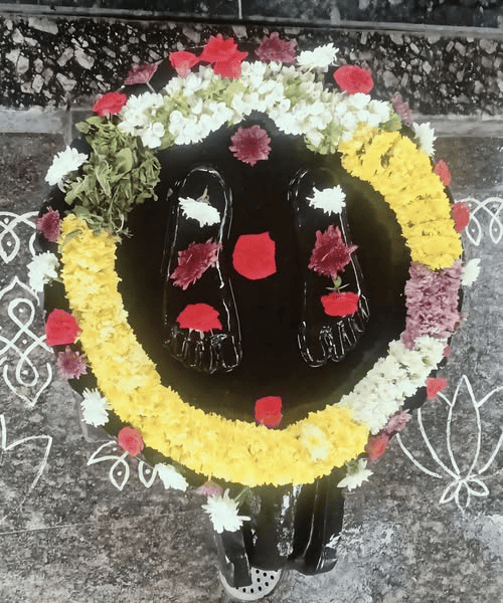
Surrender to Lord Narasimha
Maata Nrusimhascha Pitaa Nrusimha
Bhrataa Nrusimhascha Sakha Nrusimha
Vidyaa Nrusimho Dravinam Nrusimha
Swami Nrusimha Sakalam Nrusimha
Itho Nrusimha Paratho Nrusimha
Yatho Yaamithatho Nrusimha
Nrusimhadevaadaparam Na Kinchittasmat
Nrusimham Saranam Prapadye
Lord Nrusimha is my mother, and Lord Nrusimha is my father.
Lord Nrusimha is my brother, and Lord Nrusimha is my friend.
Lord Nrusimha is my knowledge, and Lord Nrusimha is my wealth.
Lord Nrusimha is my master, and Lord Nrusimha is my everything.
Lord Nrusimha is here (in this world), and Lord Nrusimha is there (in the next world / everywhere).
Wherever I go, there is Lord Nrusimha.
Beyond Lord Nrusimha, there is nothing else at all.
Therefore, I surrender completely and seek refuge in Lord Nrusimha.

